XCENA raises $135M for its computational memory controller
What happened
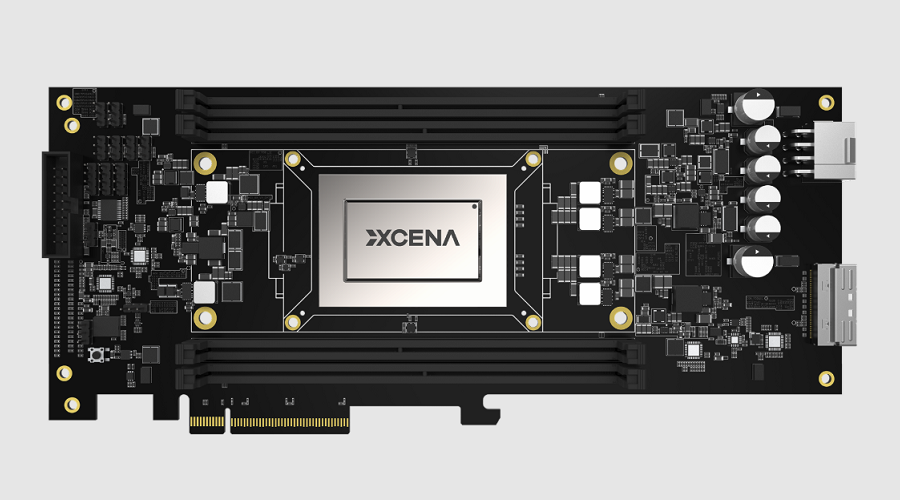
XCENA Inc., a startup developing a memory device aimed at accelerating AI clusters, raised $135 million in a Series B funding round. The round was led by Korean investors Atinum Investment and IMM Investment, with participation from more than six other institutional backers. The funding comes as the company pushes forward with its computational memory controller technology designed to reduce data transfer bottlenecks in AI workloads.
Why it matters
AI training and inference workloads consume massive memory bandwidth, often slowing down performance and driving up costs. XCENA’s computational memory controller aims to shift some processing directly into memory hardware, cutting down on the back-and-forth data movement between the processor and memory. This can reduce latency and power usage, which are major pain points in scaling AI clusters efficiently. The new funding allows XCENA to accelerate development and expand production, potentially making AI infrastructure cheaper and faster for operators who run large-scale models.
What to watch next
XCENA’s next step will be proving its controller at scale across real AI systems. How much it will improve throughput and energy efficiency compared to existing memory architectures will be key for data centers and AI hardware providers considering adoption. The competition in memory and accelerator tech is fierce, so watch for partnerships with chipmakers or cloud vendors that could validate XCENA’s approach widely. The size of the funding round also puts pressure on XCENA to deliver commercial products that create clear cost or performance advantages for AI workloads.
AI Quick Briefs Editorial Desk