Hardware’s back: AI supercharges server, PC and memory sales
The business move
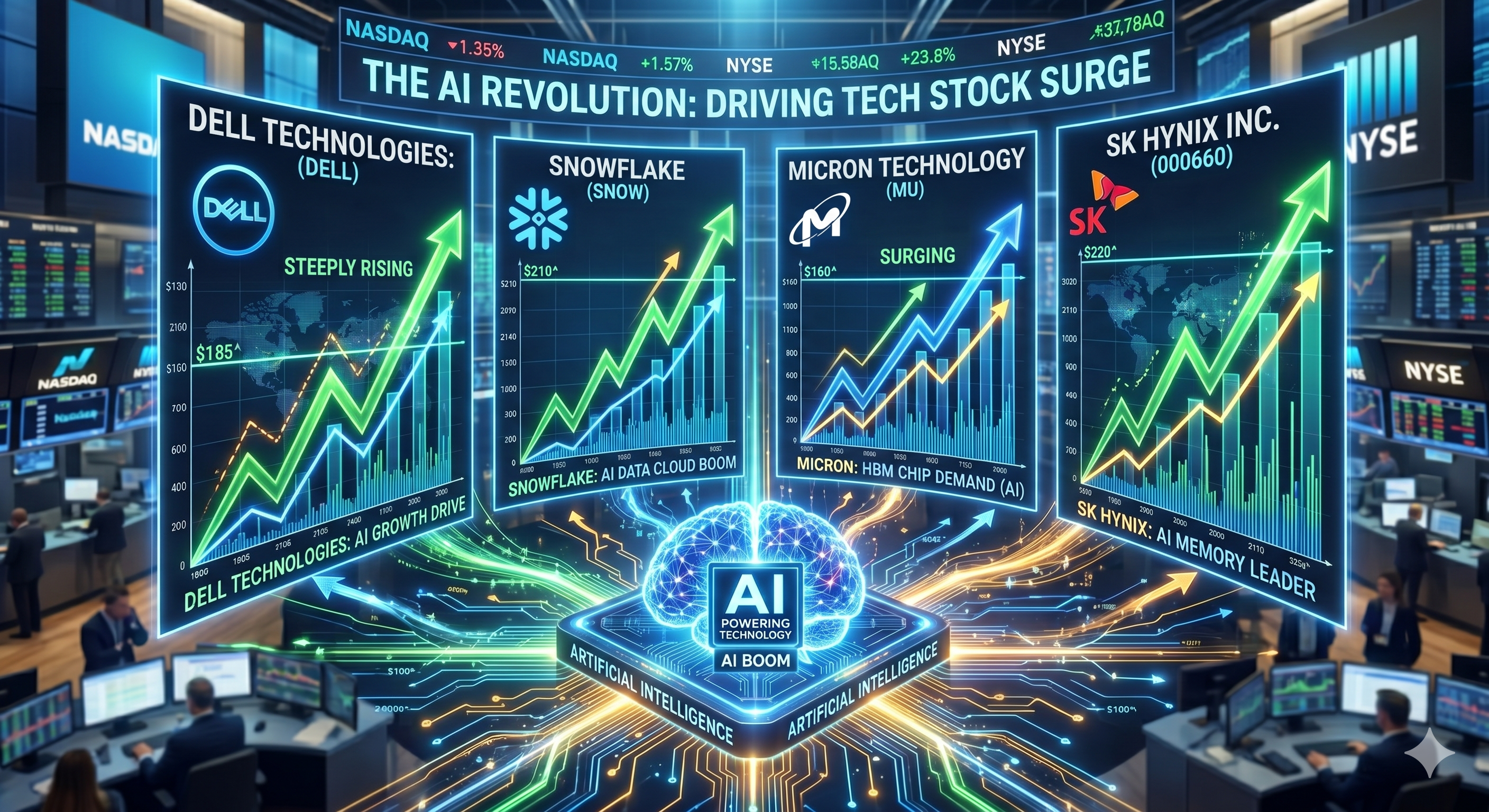
Hardware companies are seeing a major surge in demand driven by artificial intelligence workloads. Dell Technologies, a significant player in servers and PCs, experienced an 88 percent jump in revenue, pushing its stock up 31 percent in a single morning of trading. The growth stems from enterprises and cloud providers scrambling to acquire the computing power AI projects require. Sales of servers, personal computers, and memory components are all accelerating as AI use cases expand.
Why it matters
This uptick signals a shift back toward hardware as a critical bottleneck and revenue source in AI adoption. Software and cloud services can only scale so far if underlying infrastructure lags. Enterprises building or buying large AI models must invest heavily in servers optimized for parallel processing and fast memory to handle intensive workloads. This dynamic raises costs for AI operators but also creates lucrative opportunities for hardware makers who can supply the high-performance systems needed.
Who gains and who gets squeezed
Hardware suppliers with strong AI-optimized product lines are gaining market share and margin expansion. Dell is a clear winner by capitalizing on AI’s demand for specialized servers. Meanwhile, companies stuck with legacy equipment or slower upgrade cycles risk falling behind. Enterprises and cloud providers face rising capital expenses to keep up, squeezing budgets and pushing them to prioritize investments in the most efficient, scalable platforms. Smaller buyers without deep pockets may find AI compute less accessible.
What to watch next
Watch how AI demand shapes supply chains and pricing for high-end components like GPUs and memory. Keep an eye on competitors to Dell that can grab market share by innovating AI server architectures or offering cost-effective options. Also follow enterprise spending patterns—whether companies balance cloud and on-prem investments or delay upgrades under cost pressure. The speed of hardware adoption will influence how quickly AI projects move from prototypes to production at scale.
AI Quick Briefs Editorial Desk