RevEng.AI raises $15M to reverse-engineer software binaries and hunt down malicious threats
What happened
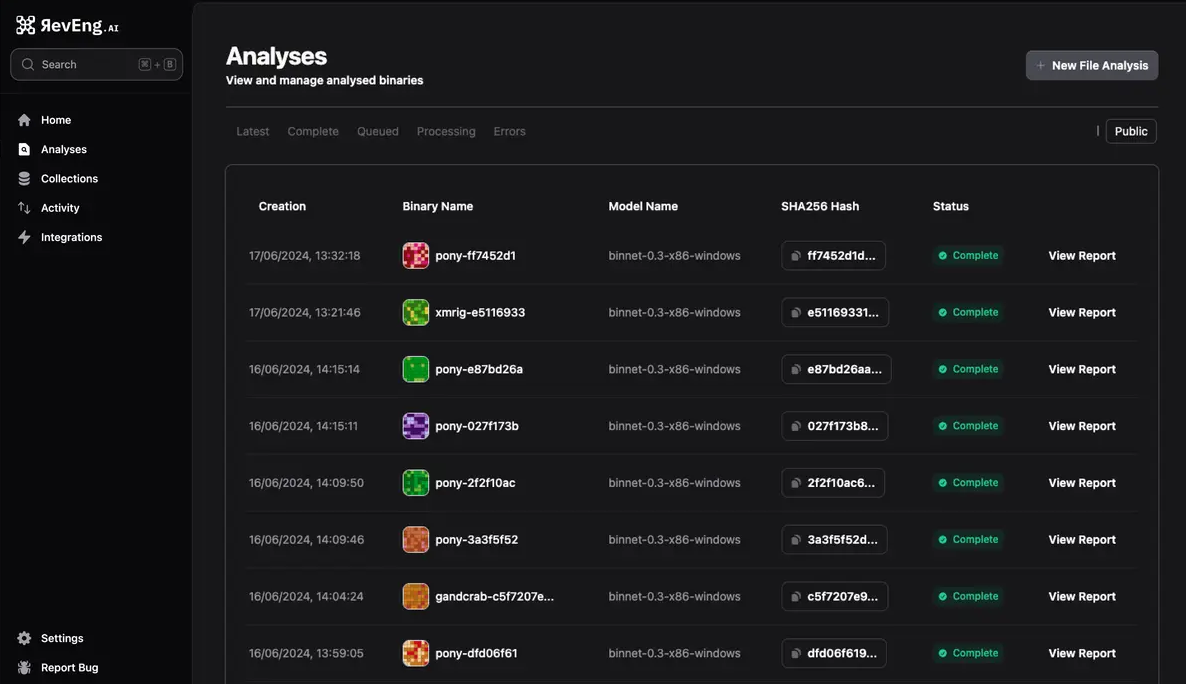
RevEng.AI, a British startup officially known as Binary AI Ltd., secured $15 million in early-stage funding to advance its software reverse-engineering technology. The company has developed AI tools similar in concept to Anthropic’s Mythos model but tailored to analyze software binaries. This technology enables organizations to dissect compiled software code, uncover hidden structures, and detect malicious components embedded in software supply chains.
Why it matters
Software supply chain security is a critical risk vector where attackers inject malicious code into legitimate binaries, which then spread widely without easy detection. RevEng.AI’s approach accelerates understanding and auditing of compiled apps, bypassing traditional reliance on source code, which may be unavailable or manipulated. By automating reverse-engineering with AI, the company is helping defenders spot threats faster and dissect unfamiliar software components more efficiently. This raises the bar on how quickly security teams and companies can respond to hidden malware in third-party software.
The $15 million investment also signals growing investor appetite for AI-driven cybersecurity tools that blend deep software engineering with machine learning. It pressures competitors to enhance focus on automated binary analysis rather than static signature detection or metadata checks alone. For enterprises, the technology promises to reduce manual workload and accelerate threat containment, improving software integrity verification at scale.
What to watch next
Watch for early adopters and cybersecurity vendors integrating RevEng.AI’s tools into existing security workflows. The startup’s ability to operationalize this specialized AI could set a new baseline for software supply chain defense. Also, monitor how the technology performs across varied software ecosystems and whether it expands to continuously scan software updates or firmware.
Finally, investor interest levels may indicate whether similar startups focusing on AI-powered reverse engineering and binary-level threat hunting will emerge or receive follow-on funding. The challenge for RevEng.AI is proving consistent accuracy at scale in real-world environments to justify further market traction.
AI Quick Briefs Editorial Desk