Rambus targets agentic AI workloads with faster client memory chipset
What happened
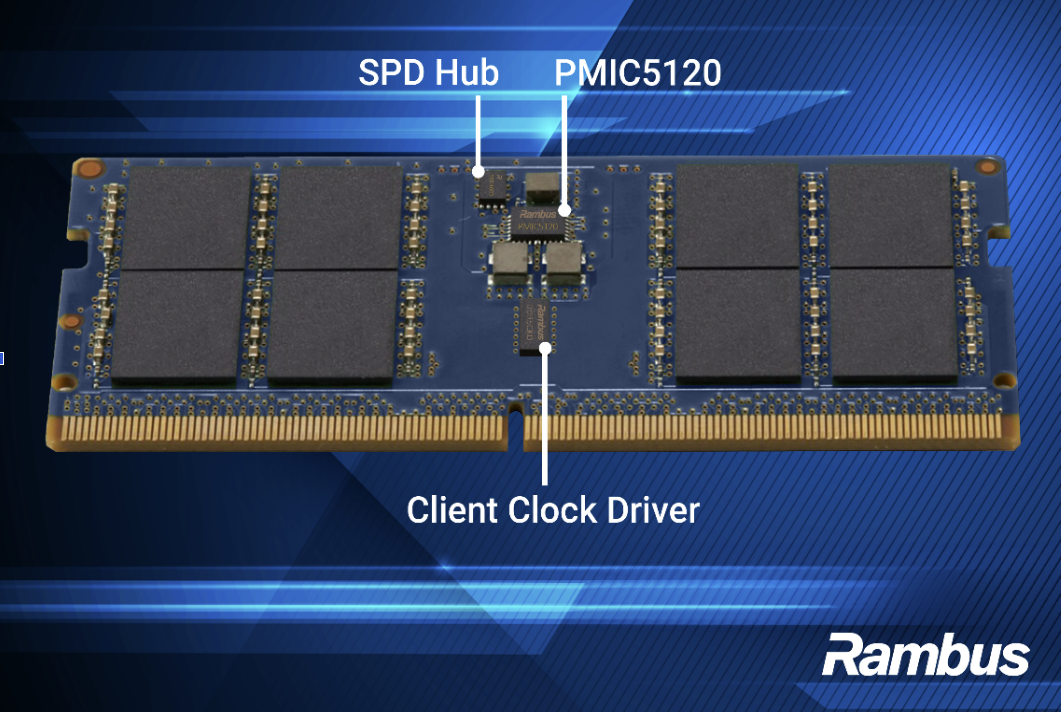
Rambus unveiled a DDR5 9600 client memory module chipset aimed at speeding up PC memory to 9,600 megatransfers per second. This comes with a second-generation client clock driver and targets the high bandwidth and capacity requirements of agentic AI workloads on desktops and laptops.
Why it matters
AI workloads that rely on local computing power, especially agentic AI agents running on client devices, need faster memory bandwidth to handle complex tasks without lag or bottlenecks. Rambus’s chipset pushes memory speeds beyond current mainstream DDR5 standards, potentially improving performance for AI applications in real-time data processing, local inference, and autonomous decision-making. For builders and operators, this means a chance to deploy more demanding AI models on client hardware without offloading everything to the cloud, reducing latency and data transfer costs.
What to watch next
Watch for adoption among PC and laptop manufacturers targeting AI-native devices. It’s also worth seeing how software developers adapt AI agents to leverage this extra bandwidth effectively. Broader market response will reveal if Rambus’s chip sets a new benchmark or if competing memory vendors catch up quickly with similar or better offerings. Pay attention to real-world performance gains reported by users running agentic AI workloads locally.
AI Quick Briefs Editorial Desk