Pope Leo XIV highlights AI risks in first encyclical
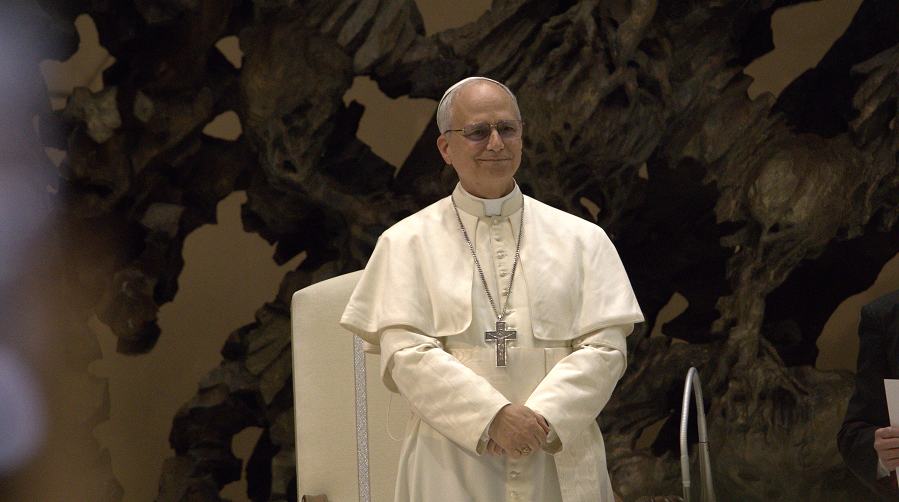
What happened
Pope Leo XIV released his first encyclical, “Magnifica Humanitas,” a 43,000-word document where one of the five main chapters is fully dedicated to technology’s effect on humanity. This section puts particular focus on artificial intelligence, underscoring risks tied to AI development and deployment.
Why it matters
An encyclical from the Vatican is a rare intersection of moral authority and technology discourse, signaling increased scrutiny beyond typical tech and policy circles. The document pressures AI builders, users, and regulators to reckon with AI’s ethical dimensions and possible harms, such as loss of human dignity, privacy erosion, and undue concentration of power. This kind of high-profile ethical framing can strengthen calls for tighter governance and responsible AI design, raising compliance costs and slowing some aggressive AI rollouts.
What to watch next
Watch for how governments and global institutions respond to the Vatican’s framing. Religious and ethical concerns voiced at this level may push regulators and civil society to sharpen AI safety standards. It could also influence corporate social responsibility moves from AI providers and startups trying to signal trustworthiness. Monitoring dialogue shifts in major AI-playing countries and the tech industry’s engagement with ethics will show how this encyclical reshapes the AI accountability conversation.
AI Quick Briefs Editorial Desk


