New Algae Robots Swarm Like Locusts at the Flick of a Switch
What happened
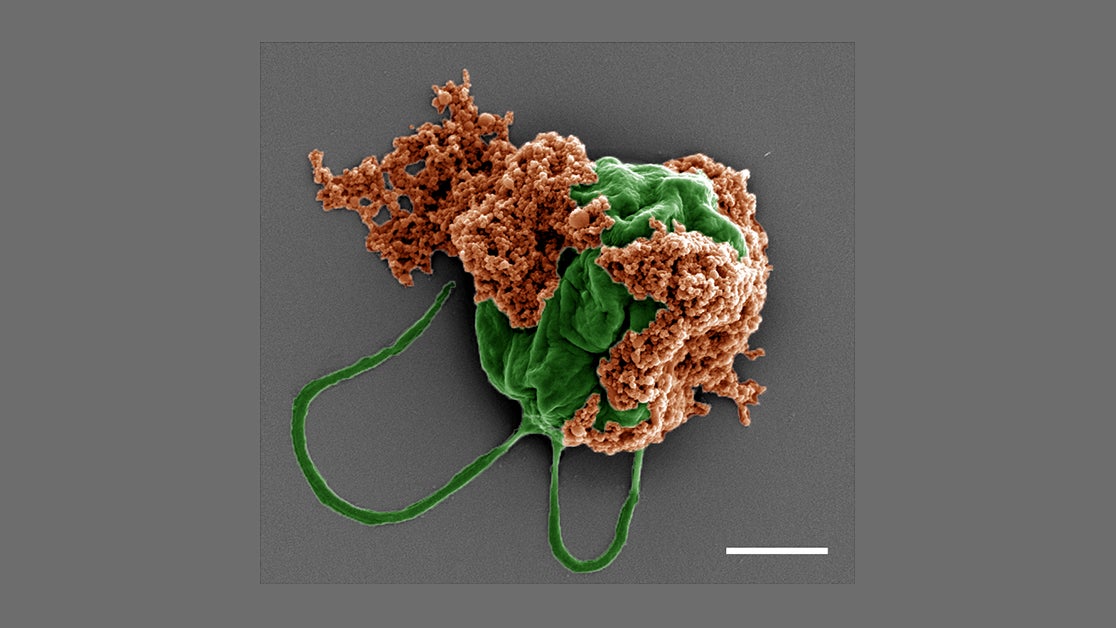
Researchers developed algae-based microrobots that self-assemble into swarms mimicking locust behavior. These tiny robots respond to a simple stimulus, switching into coordinated group movements. The technology leverages the natural properties of algae combined with engineered microcomponents to create controllable robotic swarms that can dynamically organize or disperse on demand.
Why it matters
This innovation introduces a new class of microrobots capable of collective behavior without complex onboard computing or external control. For industries like environmental cleanup and targeted drug delivery, the ability to mass-deploy microrobots that autonomously form functional swarms reduces operational complexity and cost. For example, in water treatment, these algae robots could swarm to capture and remove toxins efficiently, then disperse when cleaned or redirected. In medicine, swarming microrobots could navigate biological environments to deliver drugs precisely, improving treatment effectiveness while minimizing side effects. The simplicity of triggering swarm behavior with a flick enables scalable, practical deployment beyond lab settings.
What to watch next
Research will likely focus on refining control mechanisms, increasing swarm reliability, and scaling production for real-world applications. Operators should track progress on material durability, robotic lifespan, and integration with existing environmental and biomedical systems. Commercial development will hinge on translating swarm intelligence into consistent task execution in complex, unpredictable settings. Potential regulatory scrutiny may arise as these algae microrobots interact with ecosystems or human patients, so monitoring standards for safety and bio-compatibility is essential. Investors and founders can watch for startups leveraging this approach in water treatment, healthcare, or environmental monitoring.
AI Quick Briefs Editorial Desk