Mayo Clinic is Using AI to Listen to Emergency Room Visits
What happened
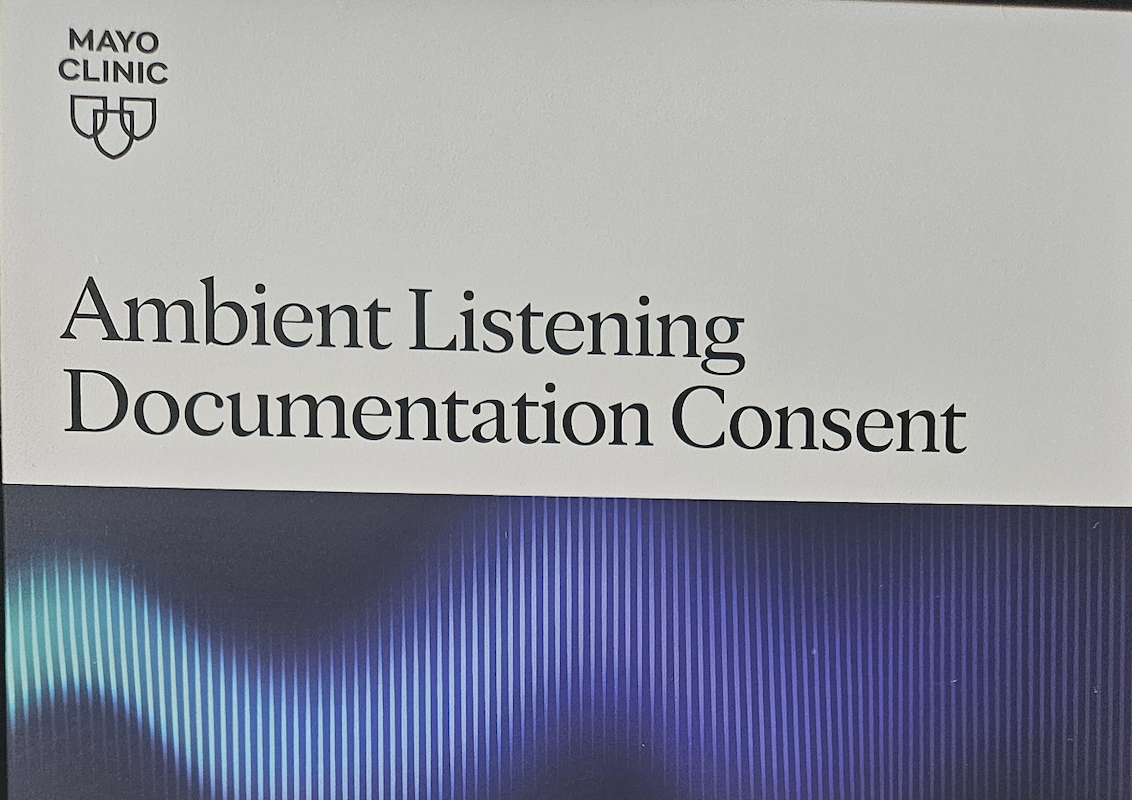
Mayo Clinic has been using an AI-powered system called “Ambient Listening” in emergency rooms to automatically record and process conversations between patients and nurses. The system passively captures these interactions to assist care teams by extracting relevant data without manual documentation. However, many patients remain unaware that their conversations are being recorded and analyzed by AI during their visit.
Why it matters
This deployment raises significant privacy questions and operational challenges. Patients expect confidentiality in medical settings, yet ambient AI listening is not widely disclosed upfront. The passive, continuous recording could lower patient trust and complicate compliance with data protection standards, especially in highly sensitive environments like emergency rooms. For healthcare operators, this technology promises documentation efficiency but also pressures staff to adapt to constant AI oversight. It shifts power dynamics by making interactions more transparent to the system while raising the cost of explaining and managing patient consent.
What to watch next
Watch for how Mayo Clinic and others balance AI efficiency gains with privacy safeguards and regulatory demands. Patient pushback or tightened healthcare data laws could constrain ambient listening’s expansion. The technology’s impact on workflow and nurse-patient rapport will also be key. Whether this approach scales beyond Mayo Clinic depends on how well providers navigate the trade-offs between automation, trust, and legal risk in patient-facing AI.
AI Quick Briefs Editorial Desk