NASA’s new AI space chip could let spacecraft think for themselves
What happened
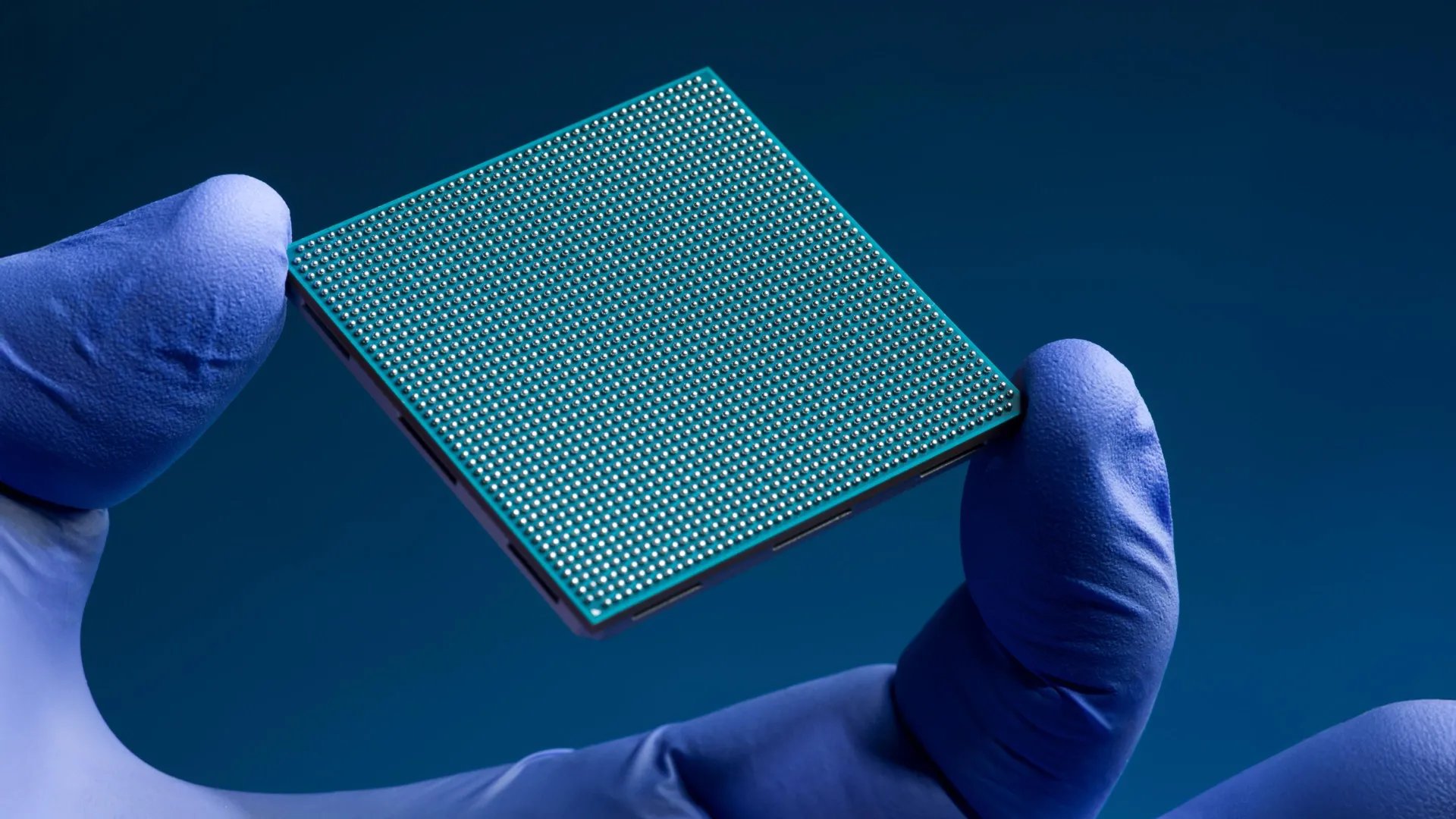
NASA is testing a new radiation-hardened computer chip designed for space missions. This processor delivers performance hundreds of times faster than current spacecraft computers while enduring extreme conditions like radiation and temperature swings. The chip’s durability and speed come from next-generation technology built to handle deep space environments, aiming to enable spacecraft that can process data and make decisions independently during long missions.
Why it matters
Spacecraft today rely heavily on Earth-based instructions because their onboard computers are slow and fragile. This new chip pushes those limits by surviving harsh space conditions while running AI workloads at speeds that dwarf existing hardware. Faster, smarter data processing onboard means missions can operate with less delay and fewer commands from Earth. This shifts power to the spacecraft, enabling quicker adjustments, improved autonomous science experiments, and more complex mission planning without constant ground control intervention. For builders and mission planners, it lowers risk and cost by reducing the need for real-time control and communication bandwidth.
What to watch next
Look for this chip’s integration into lunar and Mars missions where autonomy is crucial due to long signal delays and communication blackouts. How NASA applies AI algorithms on this hardware will reveal new operational models for space exploration, such as smarter rovers and satellites capable of in-mission learning or troubleshooting. The chip’s success could pressure the aerospace industry to upgrade current spacecraft electronics and accelerate investment in radiation-resistant AI-ready processors beyond NASA projects.
AI Quick Briefs Editorial Desk