Chip export controls were not a major topic in Beijing, US Trade Rep Greer says
What happened
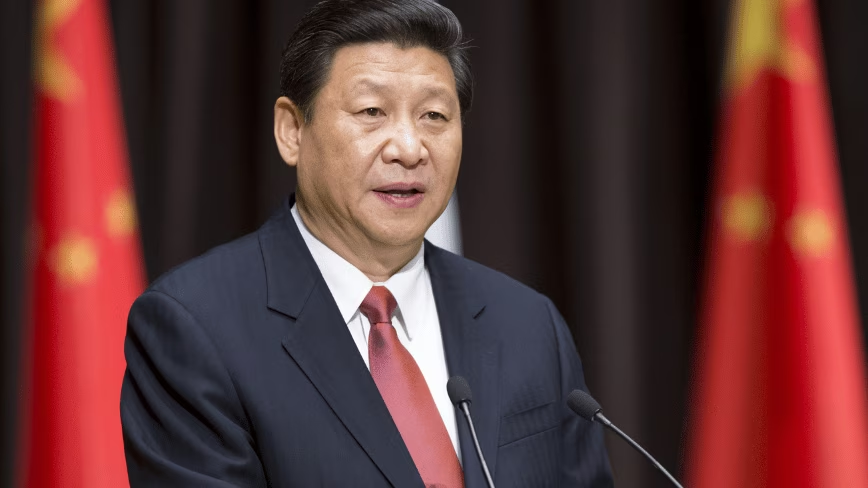
US Trade Representative Jamieson Greer told Bloomberg TV that semiconductor export controls were not a major topic at this week’s US-China bilateral meetings in Beijing. Despite prior reports that the Trump administration approved Nvidia’s H200 chip sales to several Chinese firms after a meeting with President Xi Jinping, the formal talks between the two sides did not focus on tightening or relaxing chip export rules.
Why it matters
Semiconductor export controls shape the competitive ground for AI hardware and advanced computing, directly affecting chipmakers, cloud service providers, and AI-driven industries in both countries. The confirmation that chip restrictions were not a key agenda item suggests no immediate shift in US export policy toward China, which keeps existing controls in place for now. For companies relying on high-end chips for AI applications, the lack of new restrictions eases fears of sudden supply disruptions or tightened compliance burdens. However, it also signals that strategic competition over semiconductors remains steady without de-escalation.
What to watch next
Keep an eye on follow-up discussions and official statements to see if chip export controls surface as a priority in future US-China trade talks. Nvidia’s clearance to sell H200 models to Chinese buyers hints at selective exceptions within existing rules, which could expand or contract depending on political and technological developments. Businesses should also monitor regulatory updates, as export controls can quickly tighten if geopolitical tensions rise, impacting supply chains, prices, and access to cutting-edge AI computing power.
AI Quick Briefs Editorial Desk