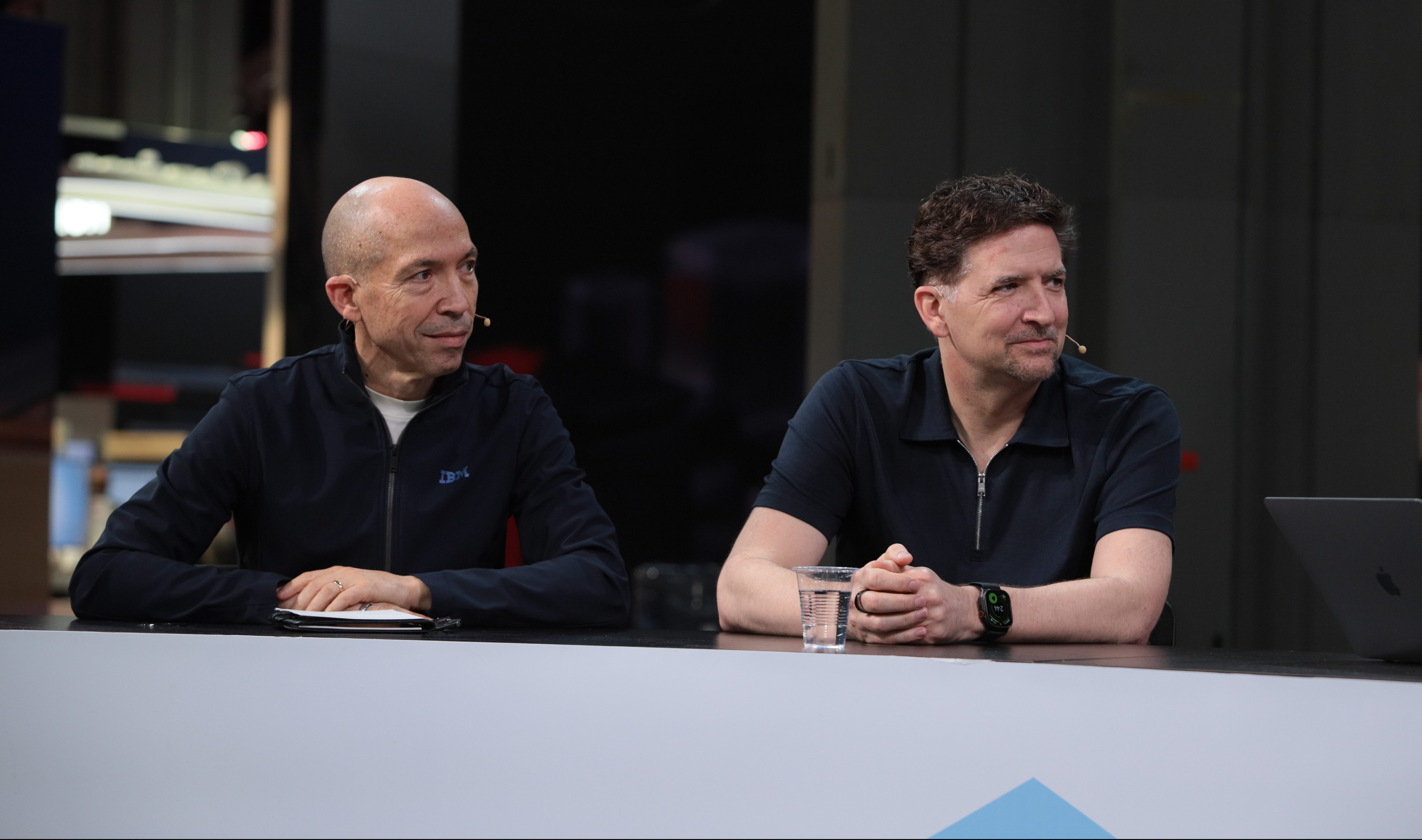
Microsoft and Red Hat are turning a decade-old alliance into enterprise IT’s unified future
The business move
Microsoft and Red Hat are deepening a decade-old partnership to tackle the growing complexity of enterprise IT environments. Their joint focus centers on open enterprise hybrid cloud frameworks designed to handle emerging AI workloads, sovereignty requirements, and years of intertwined Windows-Linux systems struggling to scale cohesively. This alliance aims to modernize virtualization and unify infrastructure management across hybrid cloud setups, combining Microsoft’s Azure cloud and Windows ecosystem with Red Hat’s Linux-based open source technologies.
Why it matters
Enterprises are under pressure to support AI workloads that demand scale and performance while respecting data sovereignty and compliance rules, which complicates cloud deployments. Windows and Linux environments have evolved separately for years, creating costly, brittle, and inefficient IT stacks. By aligning their technologies, Microsoft and Red Hat reduce operational fragmentation, which lowers costs and accelerates innovation cycles. This matters for businesses running mixed Windows-Linux workloads seeking smoother integration and hybrid cloud strategies that are vendor-flexible rather than locked into a single platform.
Who gains and who gets squeezed
Large enterprises deploying AI will benefit by gaining a unified hybrid architecture that simplifies management and optimizes resource use. The alliance strengthens Microsoft and Red Hat’s positioning against hyperscalers and pure-play cloud providers challenging their hybrid cloud relevance. However, smaller cloud vendors lacking broad Windows-Linux integration or deep open source ties risk losing ground. Enterprises tied to isolated ecosystems or legacy virtualization that resist hybrid innovation face higher long-term costs and complexity pressures.
What to watch next
Keep an eye on how this partnership evolves with AI-specific cloud services and virtualization tools designed for hybrid environments. Progress in compliance automation addressing data sovereignty within hybrid cloud will also be key. Watch for announcements of expanded Red Hat tools on Azure and deeper Windows container support. Adoption rates among enterprises with large AI and legacy workloads will show if this decade-old alliance can truly unify enterprise IT under a practical hybrid cloud future.
AI Quick Briefs Editorial Desk