Microsoft’s new agentic security system MDASH uncovers four critical Windows RCE flaws
What happened
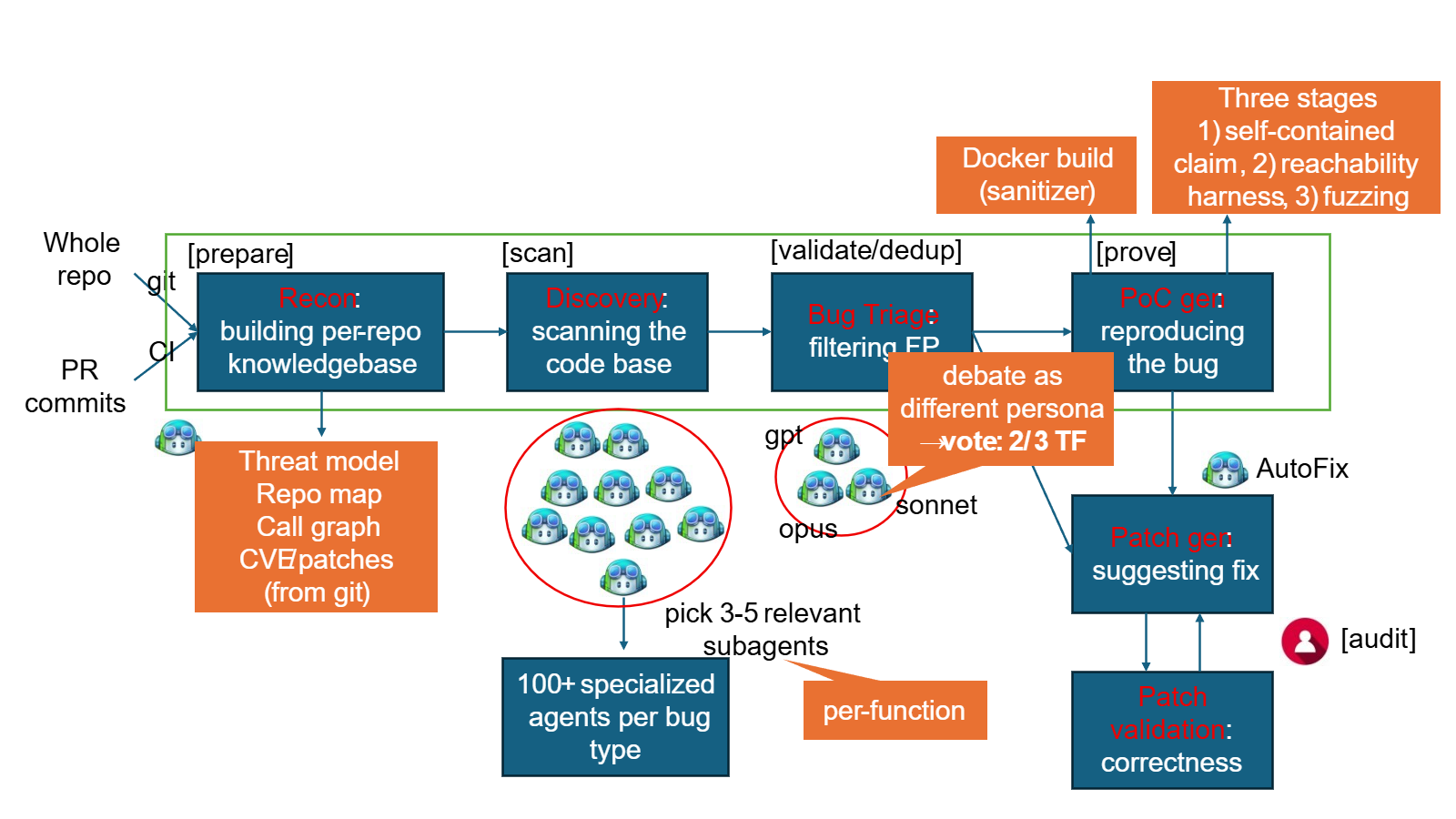
Microsoft disclosed that its new AI-driven vulnerability discovery system, called MDASH for multimodel agentic scanning harness, found 16 previously unknown security flaws in Windows networking and authentication components. Four of these flaws are critical remote code execution bugs that Microsoft patched in its latest Patch Tuesday update. MDASH was developed by Microsoft’s Autonomous Code Security team to automate vulnerability hunting using multiple AI models working together.
Why it matters
MDASH’s findings expose the growing value of AI systems that combine different detection methods to uncover serious security weaknesses that manual testing often misses. For organizations running Windows, these patches address key attack vectors that could allow hackers to execute code remotely, bypassing defenses. Automation like MDASH speeds up discovery and fixes before exploits crop up in the wild, increasing security but also raising pressure on attackers to find new vectors. It recalibrates the vulnerability lifecycle by making surface-area blind spots less common.
What to watch next
Watch for broader adoption of agentic AI systems in security tools beyond Microsoft, which could accelerate the pace of finding and patching high-risk bugs. Security teams will need to evaluate how these AI-powered scanners fit into existing workflows and whether their output can be trusted without heavy manual review. Also, tracking how threat actors respond to these intensified AI-assisted audits will show if patch cycles tighten or if attackers shift to novel exploit types. The effectiveness of MDASH marks a turning point in vulnerability discovery speed and scale.
AI Quick Briefs Editorial Desk