SoftBank to manufacture large-scale batteries for AI data centres at former Sharp plant
What happened
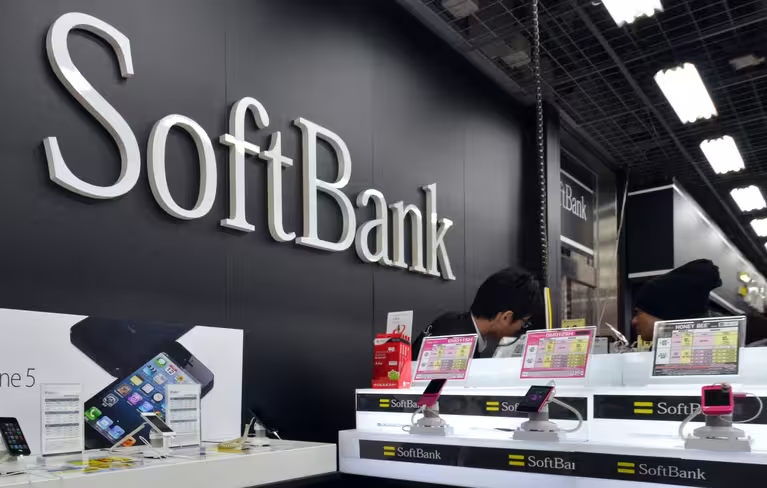
SoftBank Group’s mobile-services unit will start producing large-scale battery cells at its former Sharp manufacturing site in Sakai, Osaka. The facility targets an output of one gigawatt-hour annually, focusing initially on batteries for AI data centres. SoftBank is partnering with South Korea’s Cosmos Lab and DeltaX for the project. Production begins in the fiscal year starting April 2024, with a zinc-halide battery chemistry scheduled for rollout in 2027.
Why it matters
AI workloads demand massive amounts of reliable power. By moving into large-scale battery manufacturing, SoftBank positions itself to control critical infrastructure components for AI data centres rather than relying solely on third-party suppliers. The one gigawatt-hour annual output signals substantial capacity, capable of supporting multiple data centre deployments or providing grid-scale energy reserves. The choice to start with established chemistry and later add zinc-halide batteries shows a staged technology strategy balancing immediate production needs and longer-term innovation. This move tightens SoftBank’s grip on AI infrastructure supply chains, potentially lowering energy costs and shortening delivery lead times for operators who count on the company’s services.
What to watch next
Monitor how SoftBank’s battery output scales and whether it expands beyond the initial one gigawatt-hour mark. Look for indications that the zinc-halide chemistry delivers competitive advantages such as longer life, lower cost, or better safety. Watch for partnerships or contracts with AI data centre operators that could secure early demand. Also, see if other tech or telecom firms respond by investing in their own energy storage manufacturing or striking similar alliances, which could reshape AI infrastructure competition.
AI Quick Briefs Editorial Desk