Nvidia, AI factories and the transition to accelerated computing
The business move
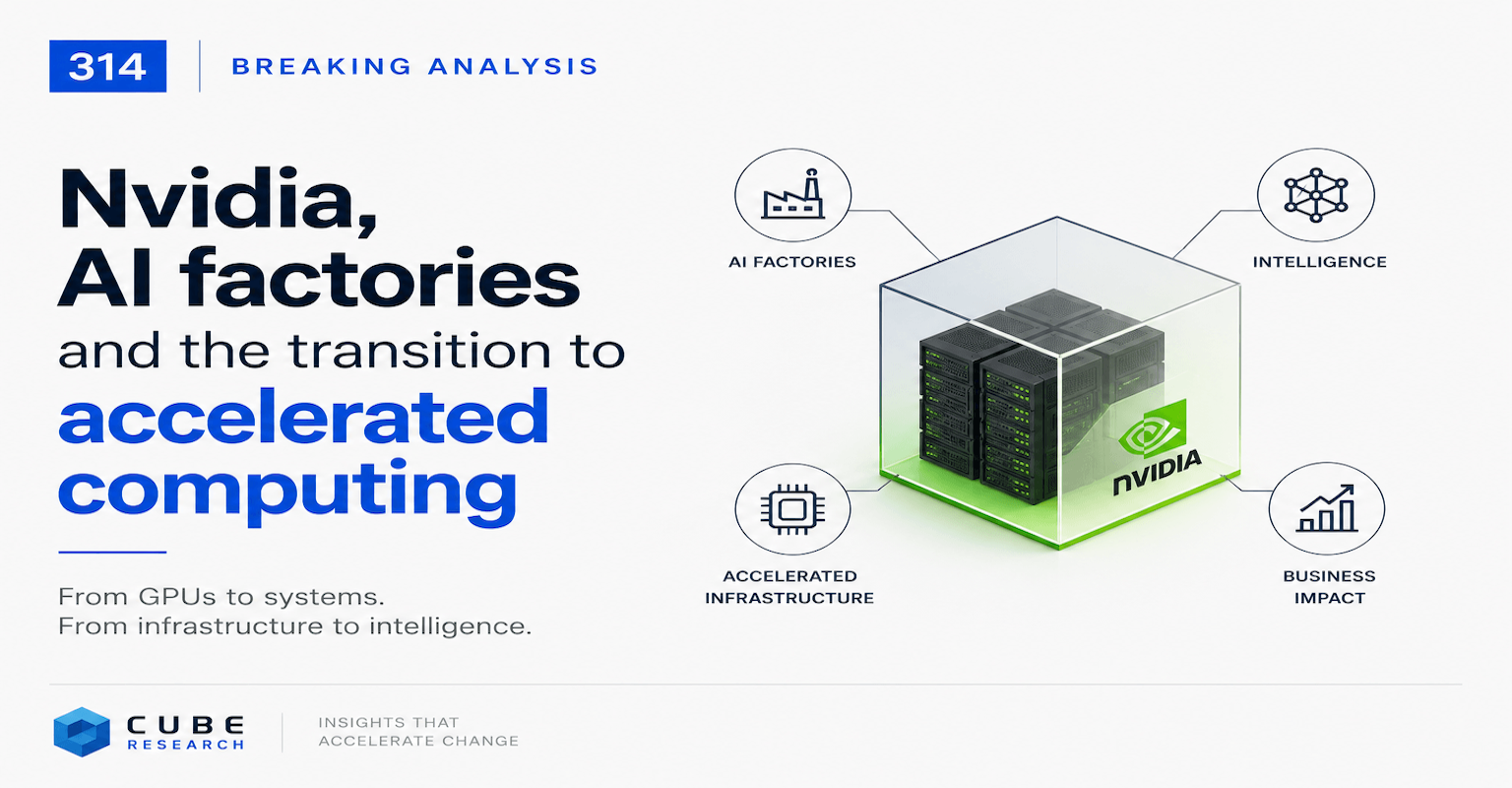
Nvidia’s current market valuation puzzles many investors who see its market cap with a price-to-earnings ratio in the single digits and assume the growth runway is limited. That interpretation misses the bigger picture. What’s unfolding is a fundamental shift in computing architecture from general-purpose processors to specialized accelerated computing focused on artificial intelligence workloads. Nvidia is at the center of what can be described as the rise of “AI factories” that turn AI learning and inference into industrial-scale operations.
Why it matters
This shift pressures traditional CPU-centric models and accelerates demand for GPUs and other accelerator chips tailored for AI tasks. The market often treats Nvidia’s expensive valuation as a bubble risk, not factoring in how accelerated computing will reshape cloud infrastructure, AI development frameworks, and enterprise IT strategies. If the transition parallels past shifts like RISC to x86 processors, then Nvidia’s role won’t be merely as a chip supplier but as the foundational enabler of AI-driven data centers and platforms.
Investors and businesses are underestimating how widely AI needs to be embedded across industries. This creates new incentives to rethink hardware design, software stacks, and data workflows. It also raises the stakes for competitors in chip design and cloud services to catch up or partner with Nvidia’s ecosystem. The battle for AI infrastructure dominance will influence capital flows, technology adoption speeds, and who controls critical AI compute resources.
Who gains and who gets squeezed
Nvidia, cloud providers, and AI-specialized startups stand to benefit most from this acceleration. Their ability to deliver scalable, high-performance AI processing reduces costs and complexity for end users. Meanwhile, traditional CPU vendors, legacy hardware integrators, and customers slow to adopt will face pressure to either pivot or risk losing relevance.
Companies that rely on commodity compute models without integrating specialized accelerators will confront rising costs and slower AI innovation. For investors, the pricing disconnect now observed could correct sharply if the market internalizes the scale and persistence of AI-driven computing demand. Enterprises investing in AI infrastructure also need to factor in a longer-term bet on accelerated computing, not just software or data alone.
What to watch next
Track Nvidia’s moves beyond hardware into software frameworks, AI model optimization, and cloud partnerships. Watch how competitors respond with alternative chips or specialized processing units targeting AI workloads. Also monitor how major cloud providers shift their service architectures to favor accelerated computing models and how enterprises adapt their AI deployments to leverage this new infrastructure.
Changes in valuation multiples for Nvidia and peers will signal when markets better price the transition. The evolution of AI factory models that integrate data, compute, and AI workflows at scale will shape the next phase of enterprise AI adoption and capital investment decisions.
AI Quick Briefs Editorial Desk


