AI factories are forcing enterprises to reimagine security from the ground up

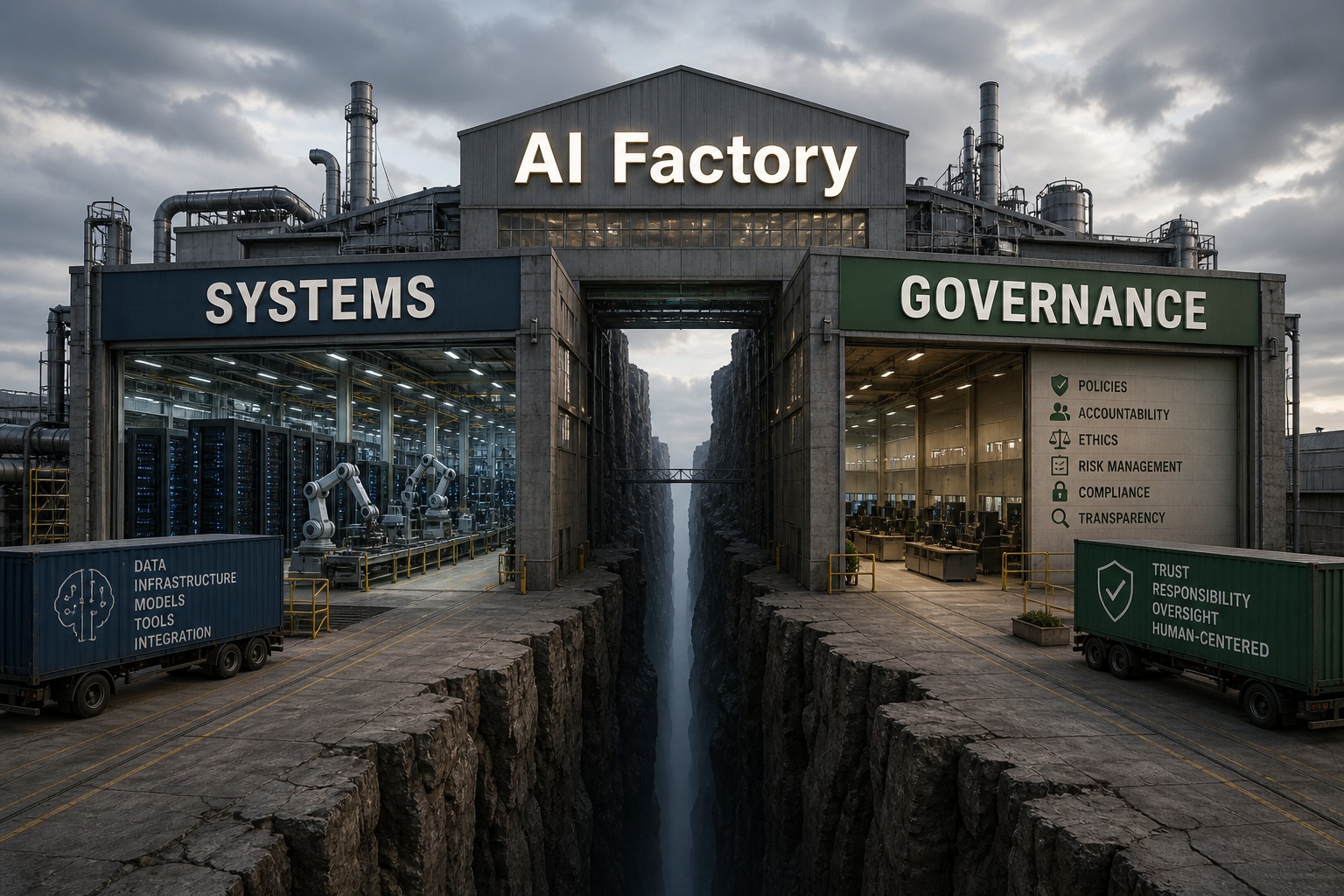
AI factories, specialized setups designed to develop and deploy large-scale artificial intelligence systems, are pushing enterprises to rethink security from scratch. They are not simply adding AI to existing infrastructure but constructing environments tailored to AI’s unique needs. This shift requires a fresh approach to data protection, physical security, and system resilience on a scale not seen before.
This matters because AI factories handle enormous volumes of sensitive data and run complex models that can impact critical business decisions. If security is treated as an afterthought, organizations risk exposing proprietary algorithms, training data, and customer information. The redesigned AI infrastructure must account for new vulnerabilities in both hardware and software, including risks related to the intense power and cooling demands of AI racks and the potential for physical tampering.
AI factories are a response to the challenge of scaling AI development rapidly and reliably. As AI models grow larger and more sophisticated, traditional data centers struggle to keep up. These factories bring together compute power, storage, and networking designed explicitly for AI workloads, integrating everything needed to train and deploy models efficiently. This bundled approach creates both opportunities and security challenges, as the systems become more complex and interconnected than usual IT operations.
The move to AI factories signals a bigger trend where AI becomes a core part of business infrastructure, not just an application layer. Enterprises will need to invest heavily in custom security protocols and physical safeguards that reflect the specialized nature of their AI environments. Security teams should focus on end-to-end protection, including supply chain checks for hardware, real-time monitoring for unusual activity, and strict data governance. Watch for developments in AI-specific cybersecurity solutions and new regulatory frameworks addressing AI infrastructure risks.
Overall, the push for AI factories forces companies to build AI security from the ground up, rather than adapting legacy systems. This change will affect everyone from CIOs planning infrastructure upgrades to developers who rely on secure, performant environments to experiment and innovate. Keeping an eye on how AI factories evolve will be key for companies aiming to balance rapid AI innovation with robust security measures.
— AI Quick Briefs Editorial Desk