Vibe launches Dot, a wearable AI device for capturing real-world workplace conversations
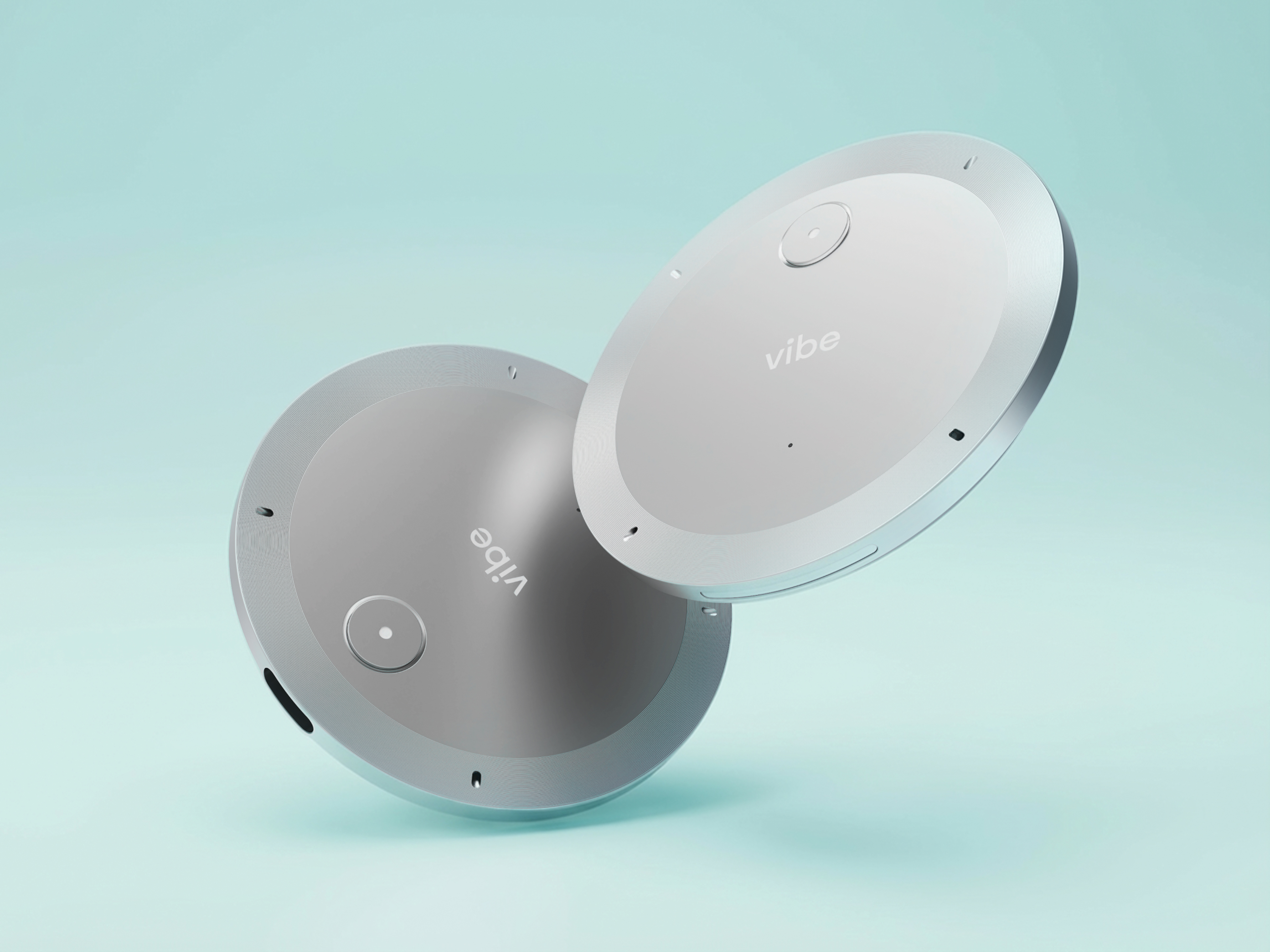
Vibe Inc., known for its contextual AI workspace platform, has introduced a new wearable device called Vibe Dot. This small gadget captures spoken conversations and voice commands in real time, syncing the information directly with the company’s AI app. Designed to accompany professionals wherever they go, Vibe Dot aims to bring a seamless AI assistant experience into everyday workplace interactions, not just virtual meetings.
This development is significant for anyone working in dynamic environments where meetings and discussions happen outside typical office setups. Capturing conversations on the fly can improve note-taking, task tracking, and overall productivity by reducing the need for manual transcription or missed details. For companies, Vibe Dot could mean better data capture from brainstorming sessions, client interactions, and informal meetings, which often go undocumented despite their importance.
The launch of Vibe Dot builds on the growing trend of artificial intelligence tools moving beyond software interfaces into physical devices. While AI-driven transcription services and meeting assistants have been around for a while, Vibe Dot addresses a gap by offering a wearable solution that works in real-world settings. This approach helps overcome challenges like fragmented conversation capture and the limits of traditional meeting rooms, making AI assistants more accessible and helpful throughout the workday.
What stands out about Vibe Dot is how it extends AI’s reach to the more spontaneous and mobile aspects of professional life. This indicates a shift in AI application development prioritizing flexibility and natural interaction. For AI developers, it suggests opportunities to create more hardware-integrated solutions that understand context and environment better. Businesses should watch for how these devices could change workflow, customer engagement, and knowledge management, potentially influencing how teams collaborate and communicate.
We should pay attention to Vibe’s ability to maintain user privacy and data security, given the sensitive nature of workplace conversations. The device’s success may push competitors to prioritize similar wearable AI capabilities, pushing the market toward smarter, always-on assistants. Future improvements might include more nuanced understanding of context and even proactive assistance during conversations, moving AI from reactive tools to active collaborators.
— AI Quick Briefs Editorial Desk


