Aurora’s Chris Urmson on why self-driving trucks are finally ready to scale
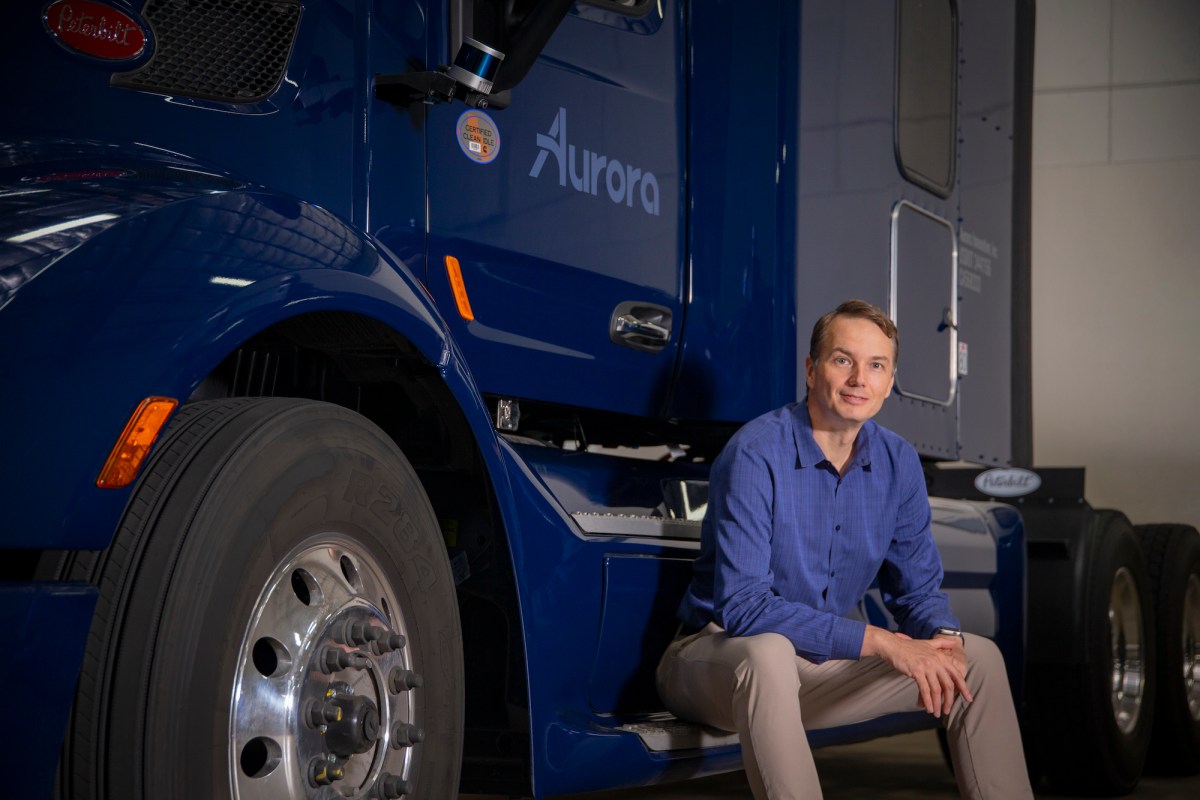
Aurora, a self-driving truck company, has begun moving beyond early trials and is now scaling its commercial driverless operations. After launching with a small fleet last April, the company plans to expand to hundreds of trucks this year. Chris Urmson, Aurora’s co-founder and CEO, shared these updates on TechCrunch’s Equity podcast, explaining how the technology has finally reached a stage where it can be deployed widely on highways.
This development matters because autonomous trucking promises to reshape freight transport, one of the backbone industries of the global economy. By replacing or assisting human drivers, self-driving trucks could increase efficiency, reduce accidents, and handle labor shortages that have troubled the trucking sector. As the technology matures and scales, businesses involved in logistics, shipping, and retail could see improvements in delivery speed and cost. For everyday people, better freight movement can mean more reliable store shelves and potentially lower costs of goods.
Self-driving trucks have been under development for over a decade. Early milestones included DARPA challenges where autonomous vehicles navigated complex terrain, and limited test hauls between cities like Dallas and Houston. However, the gap between successful demos and sustained commercial use has been large. Improvements in sensors, machine learning algorithms, mapping, and safety protocols have brought the technology to a point where companies like Aurora can operate trucks without human drivers in controlled settings.
Aurora’s progress signals that autonomous trucking is transitioning from pilot projects to broader market adoption. This scaling effort reflects growing confidence in the maturity of the software and hardware systems needed to safely navigate public highways. Watch for increased regulatory engagement as jurisdictions adapt rules for driverless freight and for rising competition among startups and automakers investing heavily in driverless technology. The real challenge ahead may involve integrating self-driving trucks seamlessly with human drivers on mixed-use roads and scaling infrastructure support such as charging stations for electric trucks.
Self-driving technology in trucking is also intertwined with advances in AI, particularly in perception and decision-making systems that allow vehicles to understand and safely respond to their environment. As Aurora and others expand their fleets, further improvements in AI robustness and reliability will be critical. If these efforts succeed, autonomous trucking could become a central piece in smarter, more automated supply chains worldwide.
— AI Quick Briefs Editorial Desk