What to expect during Red Hat Summit: Join theCUBE May 12-14
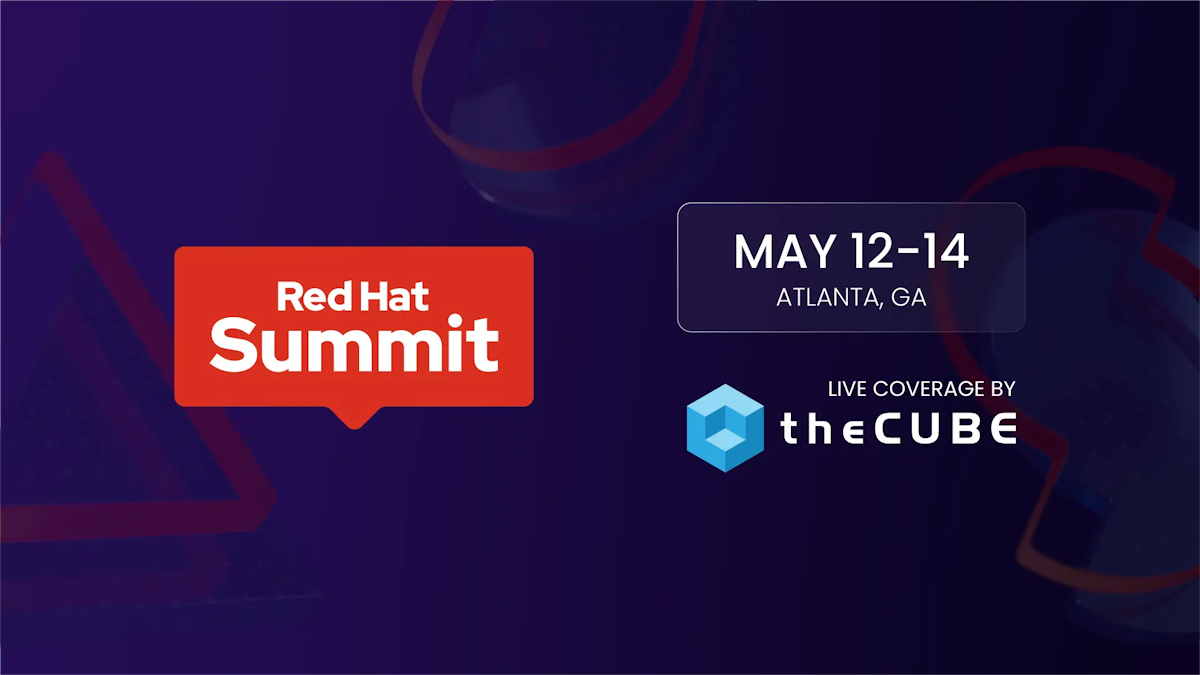
Red Hat Summit is set for May 12-14, and theCUBE will cover the event with a focus on open hybrid cloud and its growing role in enterprise artificial intelligence. Open hybrid cloud means using a mix of traditional IT systems, private clouds, and public cloud services in a way that is seamless and efficient. This approach is now seen as the main way companies are running AI applications in real-world settings, moving AI from experimental projects to reliable, everyday tools.
This shift to open hybrid cloud matters because it solves a major challenge in AI deployment: how to connect and manage different types of computing environments without causing disruptions. Businesses often rely on legacy systems that were not designed for modern AI workloads, while also embracing new cloud-native applications geared for rapid scaling. Open hybrid cloud acts as a control plane, coordinating these diverse resources and making sure AI models and data flow smoothly among them. This can reduce costs, improve performance, and speed up innovation for companies working with AI.
The background to this development comes from the growing complexity of enterprise IT. AI does not run in isolation—it depends on large amounts of data, scalable processing power, and integration with business processes. Traditional IT environments struggle with these demands. Red Hat’s approach highlights open source solutions that connect legacy infrastructure with cutting-edge cloud platforms, creating an environment where AI can operate without barriers. This aligns with broader industry trends toward hybrid cloud adoption, containerization, and AI-driven automation.
What this signals is that AI’s future in enterprises will be closely tied to how well hybrid cloud platforms can evolve. Watch for advances in tools that simplify deployment and management across multiple cloud environments. Red Hat and similar providers will likely emphasize scalability and security features that appeal to enterprises seeking to avoid vendor lock-in. For AI developers and businesses, this means a growing reliance on flexible, open cloud environments to handle sophisticated AI workloads. The next moves will probably include tighter integrations with AI frameworks and workflows that help bring AI projects into production faster.
— AI Quick Briefs Editorial Desk