Astera Labs debuts new Scorpio smart fabric data center switch to scale up AI compute clusters
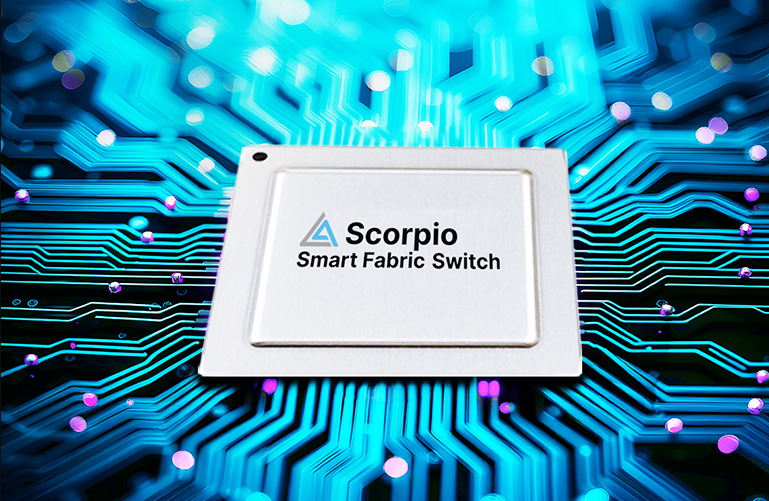
Astera Labs has introduced the latest version of its Scorpio smart fabric data center switch, called the X-series. The company describes this switch as the largest open and memory-semantic fabric switch in the industry. Designed specifically for artificial intelligence (AI) data centers, it aims to tackle the growing problem of traffic congestion as these centers scale up their computing clusters. By improving how data moves between chips, the new switch can enhance the performance and efficiency of AI workloads.
This matters because AI training and inference require massive amounts of data to flow quickly between processors. As AI models grow in size and complexity, traditional networking hardware struggles to keep up. Slow data transfer can bottleneck performance, increasing costs and slowing innovation. Astera’s Scorpio X-series offers a solution by providing a specialized fabric switch that organizes and directs data with greater intelligence and precision. For businesses relying on hyperscale data centers to run AI applications, this means faster processing and a more reliable environment that can handle increased compute demand without choking on traffic jams.
The background of this development ties into broader challenges in the AI hardware space. AI clusters use thousands of chips working in parallel, and managing the communication among them is critical. Standard network switches weren’t built for the unique patterns of AI data flow, which often involve large, frequent transfers of model parameters and data sets. The memory-semantic fabric approach used by Scorpio allows the system to treat distributed memory as if it were a single pool, simplifying data handling. This innovation fits into the ongoing push for specialized hardware tailored to AI’s highly parallel and data-intensive nature.
Looking ahead, Astera’s new switch signals a growing focus on optimizing the infrastructure that supports AI training and deployment at scale. Companies building AI models will likely continue demanding increasingly specialized networking solutions, with an emphasis on openness and interoperability across hardware vendors. We should watch for how this open fabric approach influences industry standards and competition among chipmakers. Additionally, as more AI workloads move to hyperscale data centers, innovations like Scorpio could play a key role in enabling the next wave of AI advancements by reducing one of the major hardware bottlenecks.
— AI Quick Briefs Editorial Desk