Ai2 releases MolmoAct 2, enhancing robot intelligence in the real world
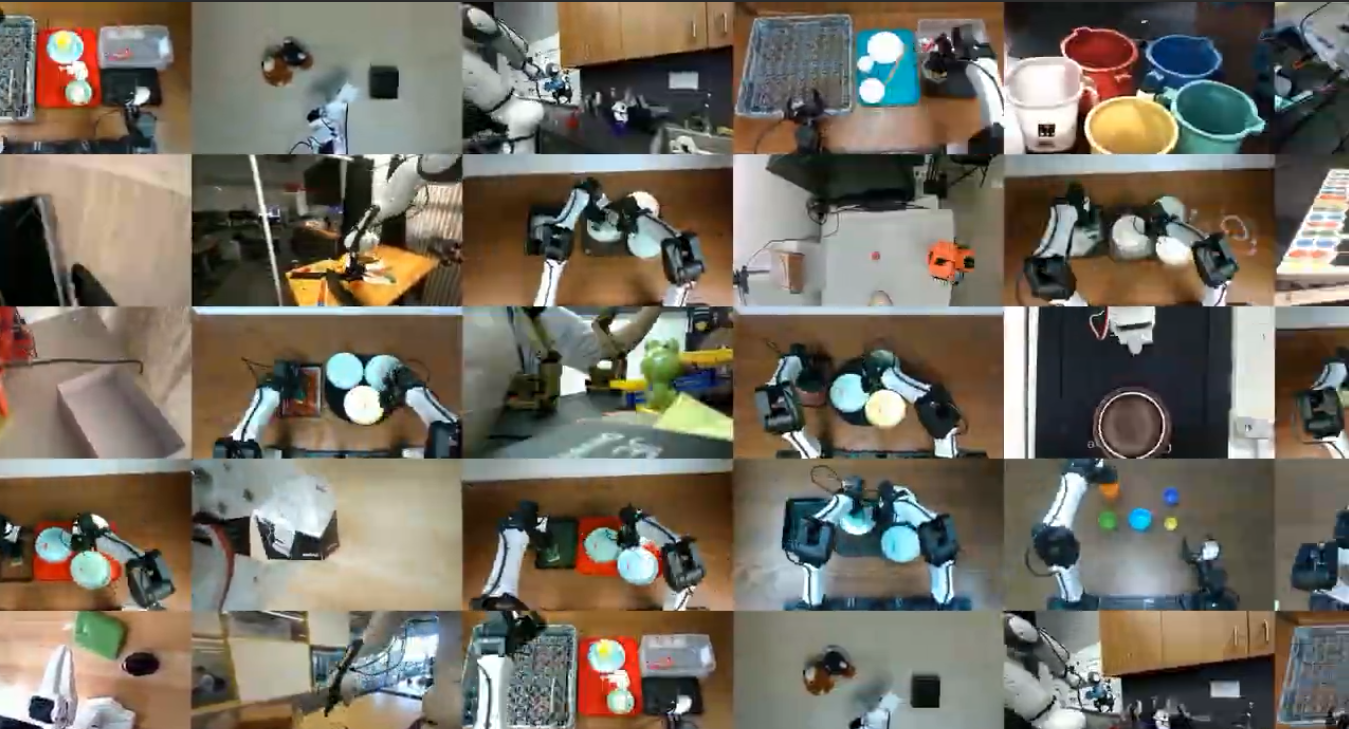
Seattle’s Allen Institute for AI, known as Ai2, has announced MolmoAct 2, the latest version of its open-source artificial intelligence model designed to help robots understand and interact with the real world. This new model builds on the original MolmoAct introduced last year, which allowed robots to reason about three-dimensional environments and take action based on that reasoning. With MolmoAct 2, Ai2 aims to improve robot intelligence, making machines smarter and more capable in everyday physical settings.
This development matters because one of the big challenges in robotics is enabling machines to make decisions in complex, dynamic environments. Robots need to interpret spatial relationships, object properties, and potential consequences of actions around them to perform tasks safely and effectively. Advances like MolmoAct 2 bring us closer to robots that can operate alongside humans in homes, factories, and public spaces without requiring extensive human instructions. For developers, these models can reduce the effort needed to program robots for specific jobs, speeding up innovation and deployment. Businesses could see smarter automation that adapts better to unpredictable situations, potentially increasing efficiency and safety.
The work from Ai2 comes amid growing interest in foundation models—large AI systems built to tackle a wide range of tasks with minimal task-specific tuning. MolmoAct was an early attempt to bring this concept to robotics by combining reasoning about the physical world with action planning. Earlier versions mainly focused on simulated environments or specific tasks, limiting practical use. MolmoAct 2 steps forward by enhancing real-world applicability, integrating broader sensing and reasoning capabilities and improving how robots understand spatial and physical contexts. This iteration pushes toward automation that is more robust outside of controlled settings.
What this hints at is a gradual shift in robotics toward more versatile and general-purpose AI models. Instead of training separate algorithms for every possible task or environment, researchers are creating adaptable models that can generalize knowledge and solve new problems with less retraining. MolmoAct 2 suggests that the robotics field will increasingly adopt open-source foundation models, encouraging shared progress and reduced duplication. For observers and developers, it’s worth watching how well MolmoAct 2 performs in diverse real-world tests, and how it integrates with hardware and sensor advances. The next move may include collaborations with manufacturers to embed these models into consumer and industrial robots.
— AI Quick Briefs Editorial Desk


