Xiaomi’s MiLM Plus Releases PROVE: Perception-Aligned Object Removal Metrics RC-S and RC-T With a Real-Worl…
What it does
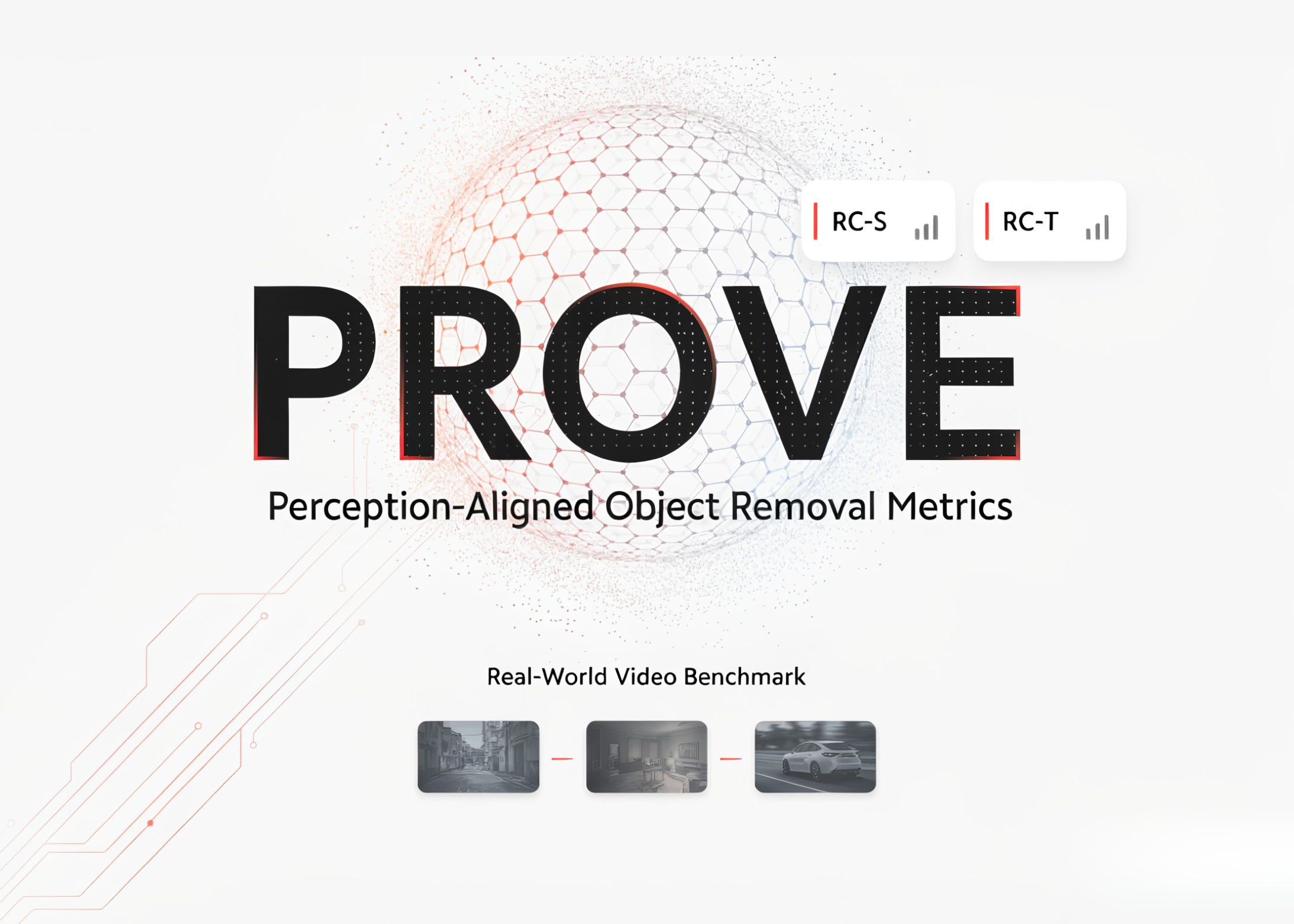
Xiaomi’s MiLM Plus team has unveiled PROVE, a new set of metrics—RC-S and RC-T—to better evaluate object removal in images and videos. These metrics directly target perception-aligned quality, reflecting how well object removal methods reconstruct scenes with shadows, reflections, and hidden structures. PROVE includes a real-world video benchmark to test these approaches beyond static images.
Why it matters
Current metrics like PSNR, SSIM, LPIPS, ReMOVE, and CFD often misjudge object removal models. That happens because object removal is one-to-many: there isn’t a single correct answer when erasing an object from a scene. Models have advanced to convincingly fill these gaps, including complex elements such as shadows and reflections, but old metrics still rank outputs incorrectly. PROVE’s perception-aligned metrics directly address this mismatch by focusing on human-like quality assessment and real-world video scenarios, forcing a rethink of how these models are measured.
Who it is for
PROVE targets model developers and researchers working on object removal and scene reconstruction. Its video benchmark benefits anyone building tools that involve video editing, augmented reality, or automated content cleaning by providing more reliable assessment criteria. Investors and customers looking to evaluate the quality of AI-based removal tools should also consider these new metrics for more accurate comparisons.
The catch
PROVE’s metrics demand more complex evaluation setups, especially for video, which may slow down quick prototyping cycles or require new infrastructure. The real-world video benchmark sets a higher bar, which might reveal current models as less capable than expected when judged by these metrics. Integrating perception-aligned measures also risks fragmenting evaluation standards until adoption spreads.
What to watch next
Look for adoption of RC-S and RC-T in academic and commercial benchmarks to see if they reshape leaderboard rankings and model development priorities. Close attention should go to how Xiaomi’s benchmark influences video-focused object removal research and whether it sparks new metric standards industry-wide. Tracking progress from competitors and how mainstream tools integrate or challenge PROVE will clarify the shift’s speed and impact.
AI Quick Briefs Editorial Desk