My Fall-Detection Model Scored 94%, and It Was Lying to Me

What changed
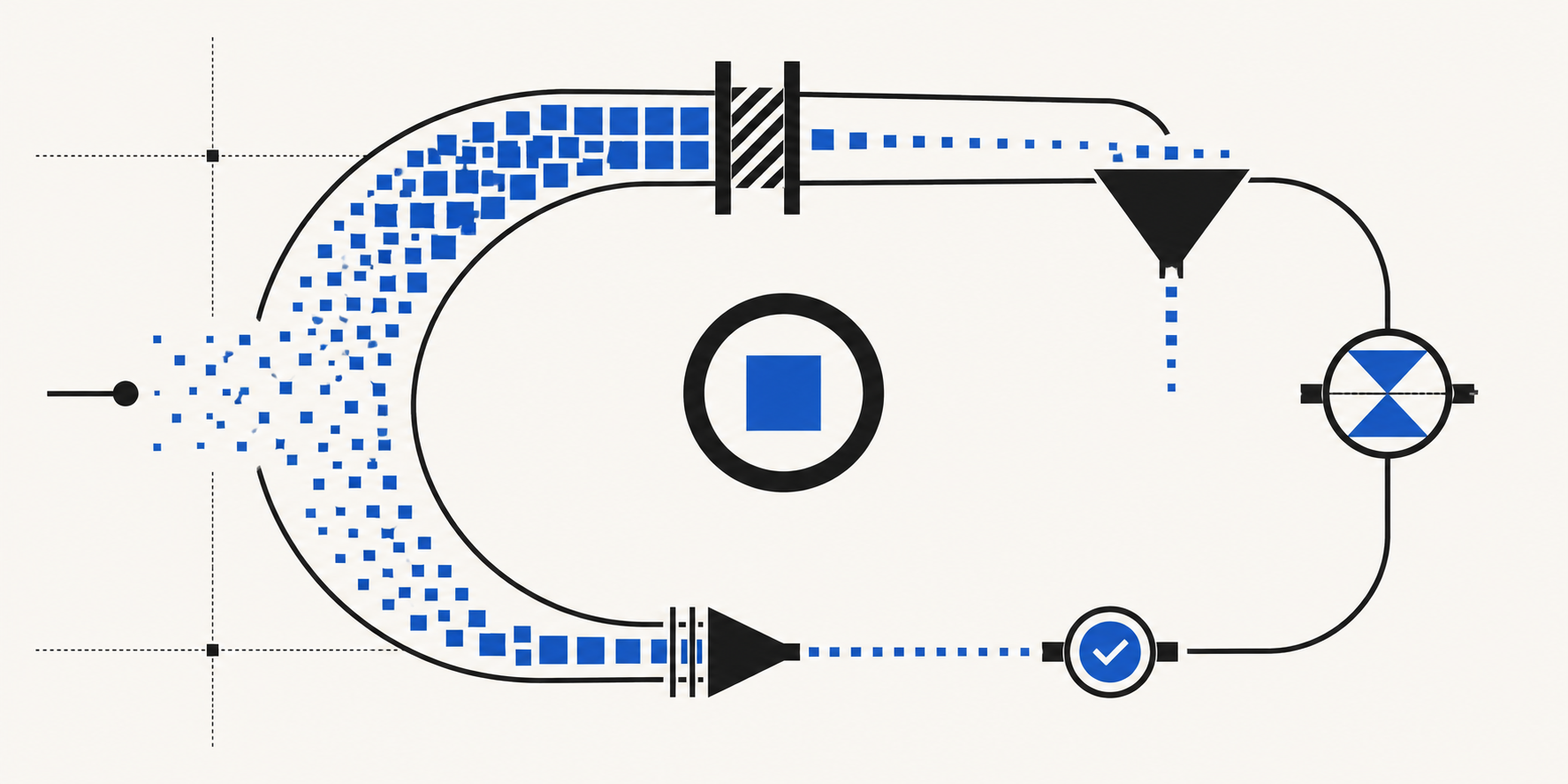
A fall-detection model initially scored 94% accuracy, a headline figure that impressed many. But the reality was different. The high score came from a data evaluation choice that inflated results by about 25 points. The mistake? The test data included user data already seen during training. That created a false sense of the model’s ability to detect real falls in new settings. When rebuilt with a stricter evaluation protocol—separating training and testing users—the model’s true accuracy dropped to roughly 69%.
Why builders should care
This case exposes a common pitfall in machine learning where test data leakage creates inflated performance. For anyone building safety-critical systems like fall detection, trusting overstated accuracy can lead to deploying unreliable models. Real-world environments won’t mirror training data perfectly, so validation must strictly separate data sources to avoid overfitting illusions. It presses builders to treat initial strong results skeptically and to verify model robustness across truly independent users and scenarios.
The practical takeaway
Operators and developers must audit their data splits carefully. Using user-exclusive test sets prevents the model from “cheating” by memorizing patterns from the same people in training. Machine learning models used in health or safety applications need evaluation protocols that prevent optimistic bias. Without it, users and businesses risk deploying technology that underperforms and may fail in critical moments. Honest measurement might lower headline accuracy but yields trustable predictions and safer products.
What to watch next
Expect heightened scrutiny on fall detection and similar activity recognition models as this cautionary example circulates. Vendors marketing “high accuracy” solutions may face demand for validation on truly independent data sets. Regulators and buyers may require proof of proper evaluation protocols before adoption. More broadly, this story adds pressure across the AI field to improve transparency and discipline around model testing especially in sensitive applied areas.
AI Quick Briefs Editorial Desk