Flock Pitched a Plan To Turn Uber and Lyft Drivers Into Roaming Surveillance Vehicles
What happened
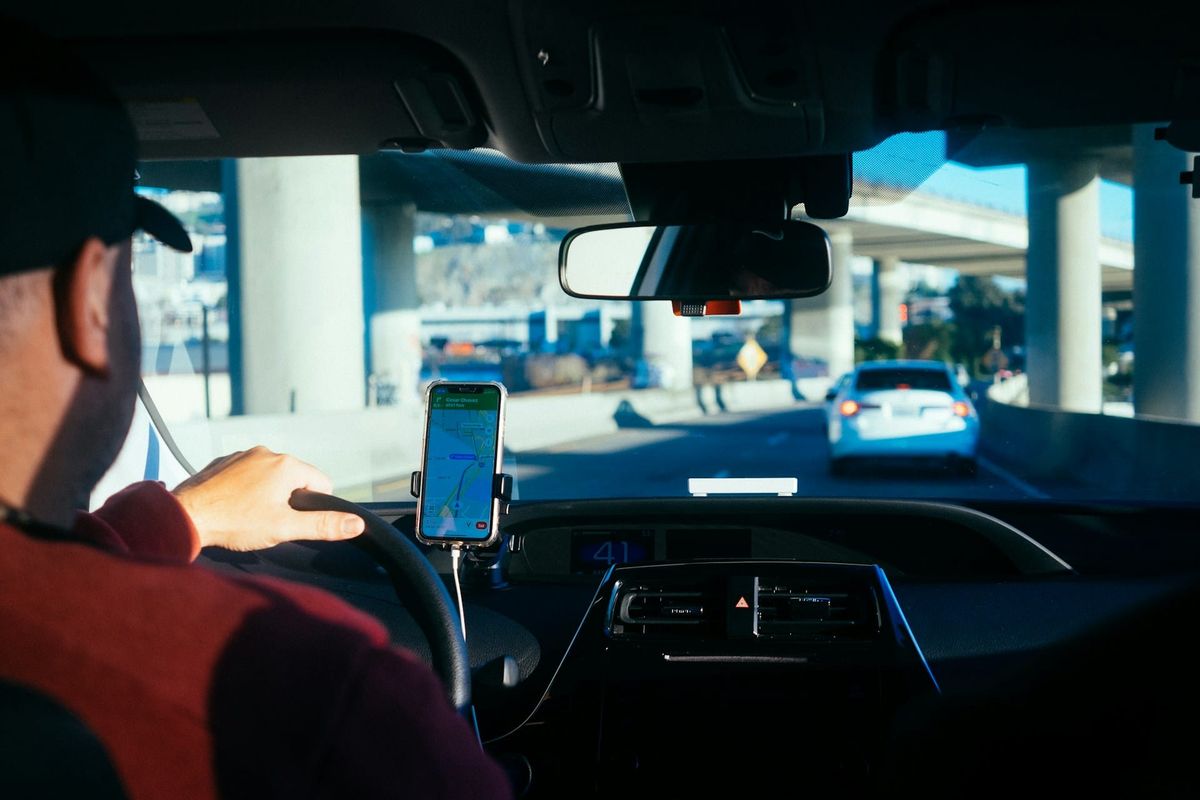
Flock, a surveillance technology company, planned to use around 350,000 Uber, Lyft, and delivery drivers as mobile data collectors for its license plate scanning system. The company pitched a strategy to outfit these drivers with cameras that would capture license plates during their regular routes. This data would feed into Flock’s surveillance network designed to identify and track vehicles.
The risk
Deploying a large network of everyday drivers for surveillance raises significant privacy concerns. Drivers would unwittingly become part of a broad government and private-sector monitoring effort without clear consent from the public. It also turns personal or gig economy vehicles into constant surveillance platforms, raising questions over data security, misuse, and potential overreach.
Why it matters
This plan exposes how surveillance tech companies may leverage gig platforms to expand data collection with limited oversight. For regulators, this signals a need to tighten privacy rules around mobile scanning and third-party data sharing. For gig platforms and drivers, it creates risk of backlash or legal exposure for participating in covert surveillance. Public trust in ride-share and delivery services may erode if users see their trips tied to constant monitoring.
Who should pay attention
Regulators concerned with privacy and data protection should scrutinize partnerships between surveillance firms and gig platforms. Ride-share companies and their drivers need to evaluate the implications of technology integration that could expose them to liability or public resistance. Privacy advocates and urban planners must consider how this type of roaming data collection impacts community rights and city surveillance levels.
What to watch next
Monitoring any regulatory responses or legislative moves aimed at limiting mobile surveillance through gig platforms will be key. Watch how Uber, Lyft, and delivery services respond to these revelations and whether they distance themselves from these partnerships. The broader debate on tech-enabled urban surveillance may escalate, pressuring companies and lawmakers to define clearer boundaries.
AI Quick Briefs Editorial Desk