Shared context turns production data into faster risk response
What happened
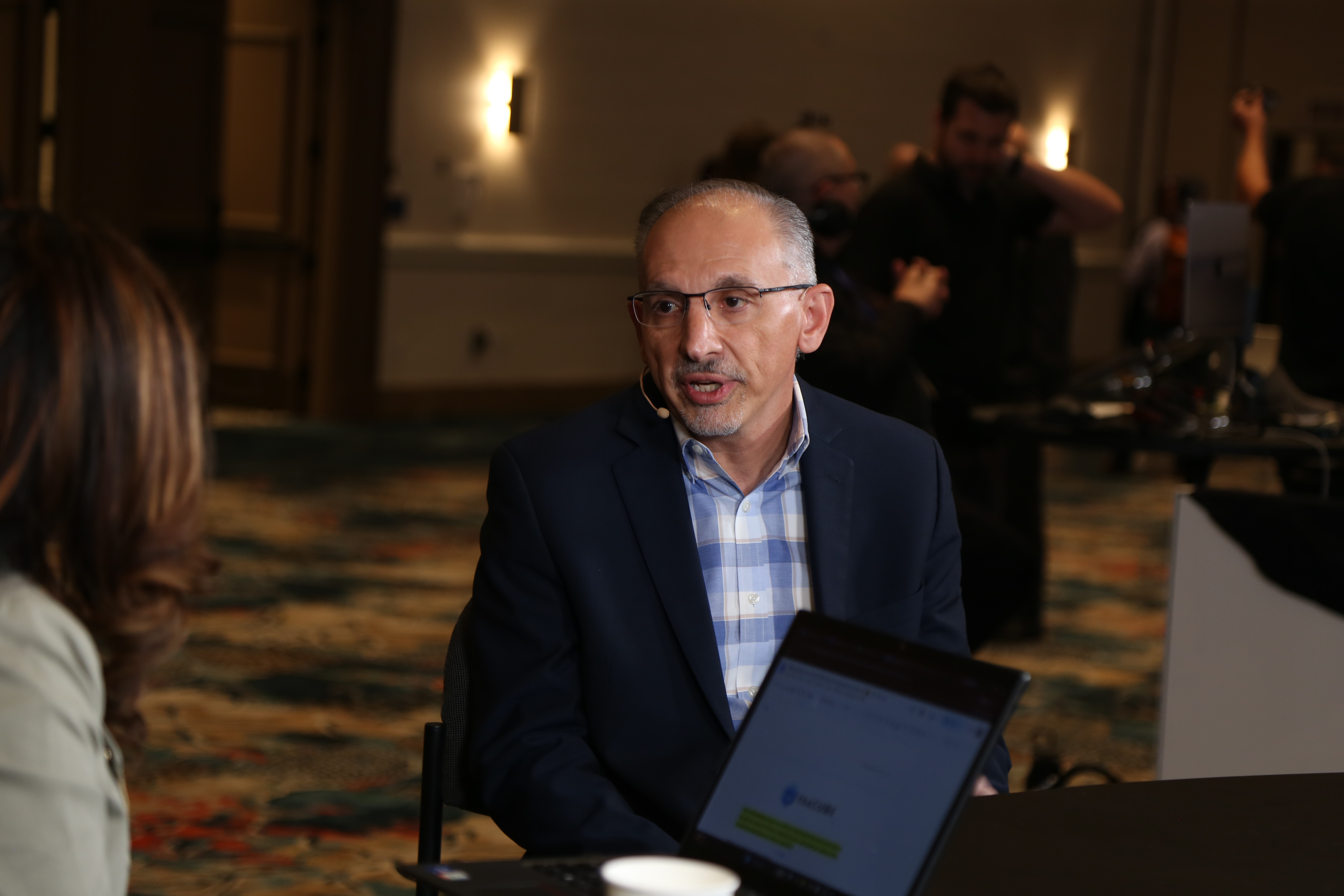
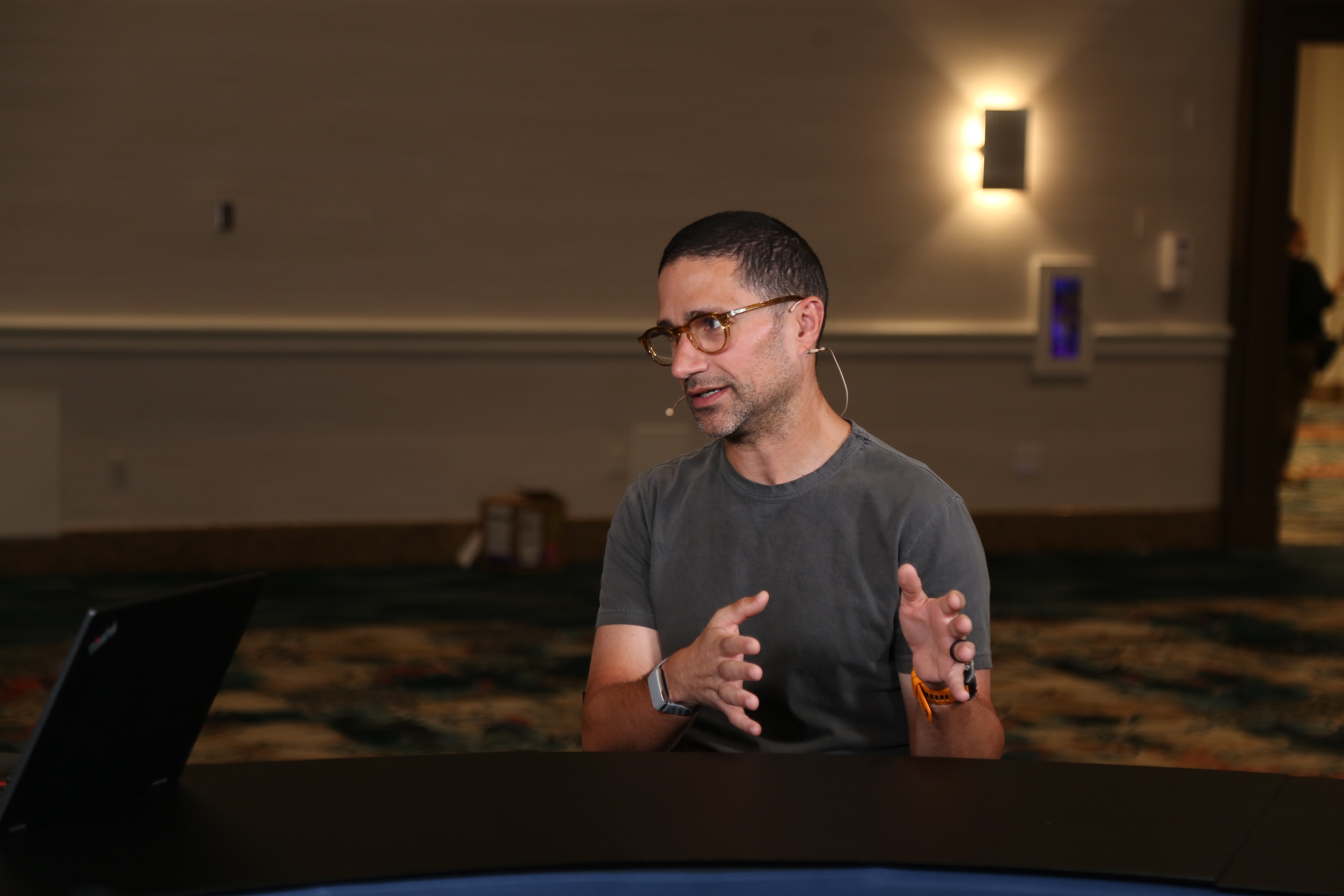
At Black Hat USA 2026, security and engineering experts highlighted how shared context from production data is becoming essential to speed up risk response. As software delivery accelerates and AI-driven threats grow more sophisticated, traditional silos between security and engineering teams create friction and delay reaction times. Removing these data barriers enables both sides to view the same risk signals, prioritize issues effectively, and act faster without miscommunication.
Why it matters
Faster software deployment cycles leave no room for slow or disjointed security responses. When security and engineering work separately, wasted time emerges from translating risks or chasing down disconnected data streams. Shared context tightens coordination, reducing the window attackers can exploit vulnerabilities in production environments. This shift pressures organizations to adopt integrated data approaches or risk falling behind adversaries that leverage AI to move rapidly. It also forces changes in tooling and workflow to support closer collaboration without creating overhead or confusion.
What to watch next
Tools and platforms that unify production data, security telemetry, and engineering workflows will gain attention. The challenge will be balancing transparency with data privacy and operational complexity. Watch for solutions that use AI to surface relevant risks contextualized for both engineers and security teams, minimizing alert fatigue. Also track how organizational structures adapt to optimize cross-team response and the evolving role of security analysts in high-velocity environments.
AI Quick Briefs Editorial Desk