Should Researchers Write Papers for AI Instead of People?

What changed
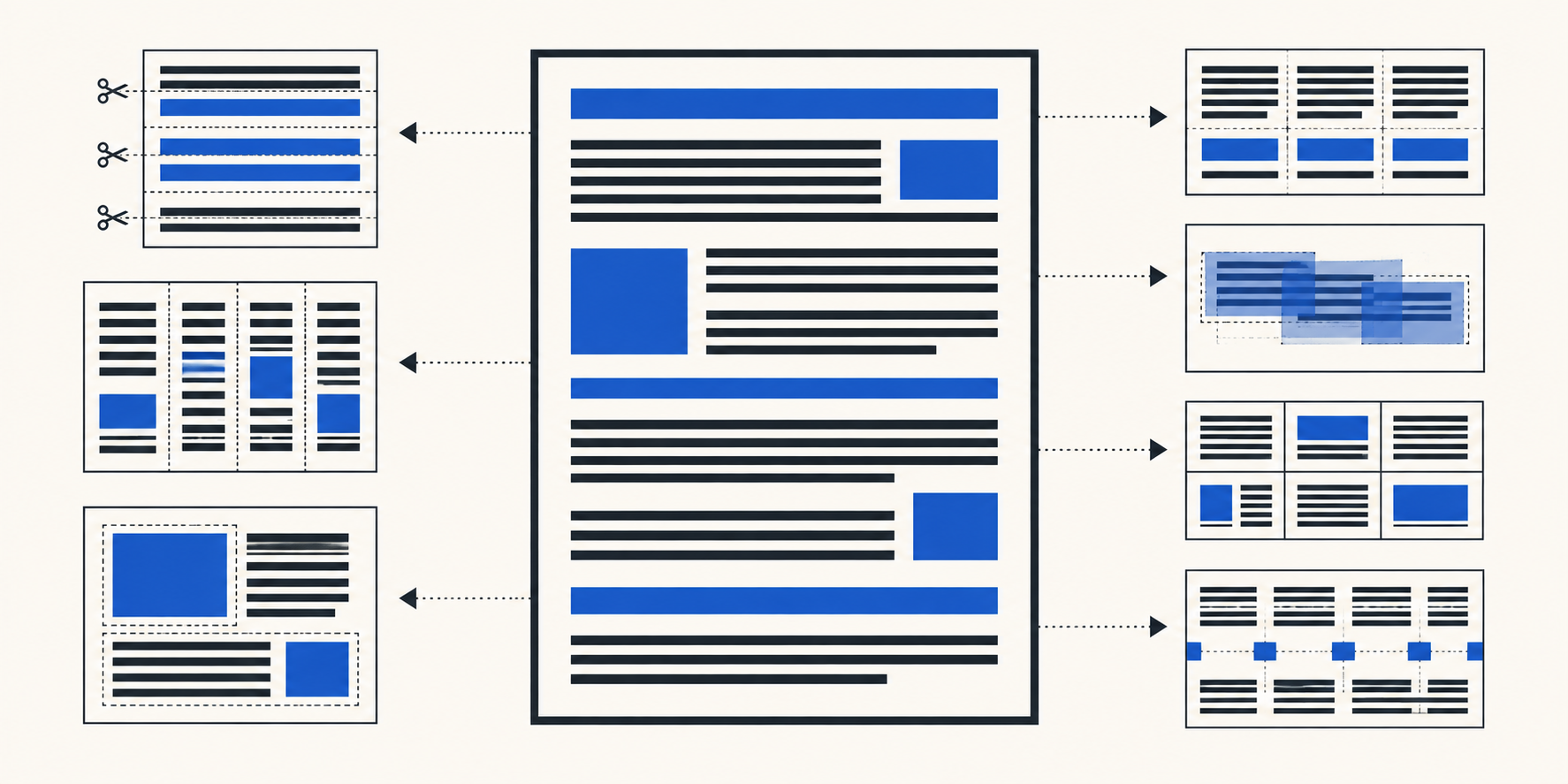
A group of 37 researchers from top universities and tech companies argue that the traditional scientific paper format no longer serves its original purpose. With AI agents taking a central role as autonomous contributors in research, the standard paper optimized for human readers is becoming obsolete. These AI systems don’t just assist researchers; they independently read, reproduce, and build on scientific work, and this requires a new way to present research. The team published their paper on ArXiv pushing for infrastructure that prioritizes AI’s needs over human readability.
Why builders should care
If AI agents are expected to autonomously extend scientific work, the formats and metadata scientists produce must be machine-friendly and interoperable. Current papers focus on narrative explanations, which are often too unstructured and ambiguous for rigorous AI parsing. For developers building AI tools, this means the shift toward highly structured, semantic data and standardized digital research outputs will accelerate. Ignoring this trend risks incompatibility with future AI workflows that could become dominant in research and development environments.
The practical takeaway
For anyone building AI-powered research tools, infrastructure, or automation, this shift forces a rethink of data ingestion and knowledge extraction strategies. Developers will need to create systems that handle enriched, machine-readable scientific content rather than plain text or PDFs optimized for human consumption. Research publishers and software providers may have to adapt to new submission standards and APIs designed for AI agents. Founders and operators can expect emerging startups and platforms focused on AI-native scientific communication to gain attention and investment.
What to watch next
Look for early efforts to define new standards and formats optimized for AI agents in research workflows. Pay attention to changes in academic publishing and tech company collaborations around research data infrastructure. Also, monitor how AI research assistants evolve to handle these new formats and how the incentives for authors and publishers adjust to prioritize AI over human readability. This could reshape the economics of scientific publishing, influencing who controls research dissemination and validation.
AI Quick Briefs Editorial Desk