AI-native software development requires a new engineering model
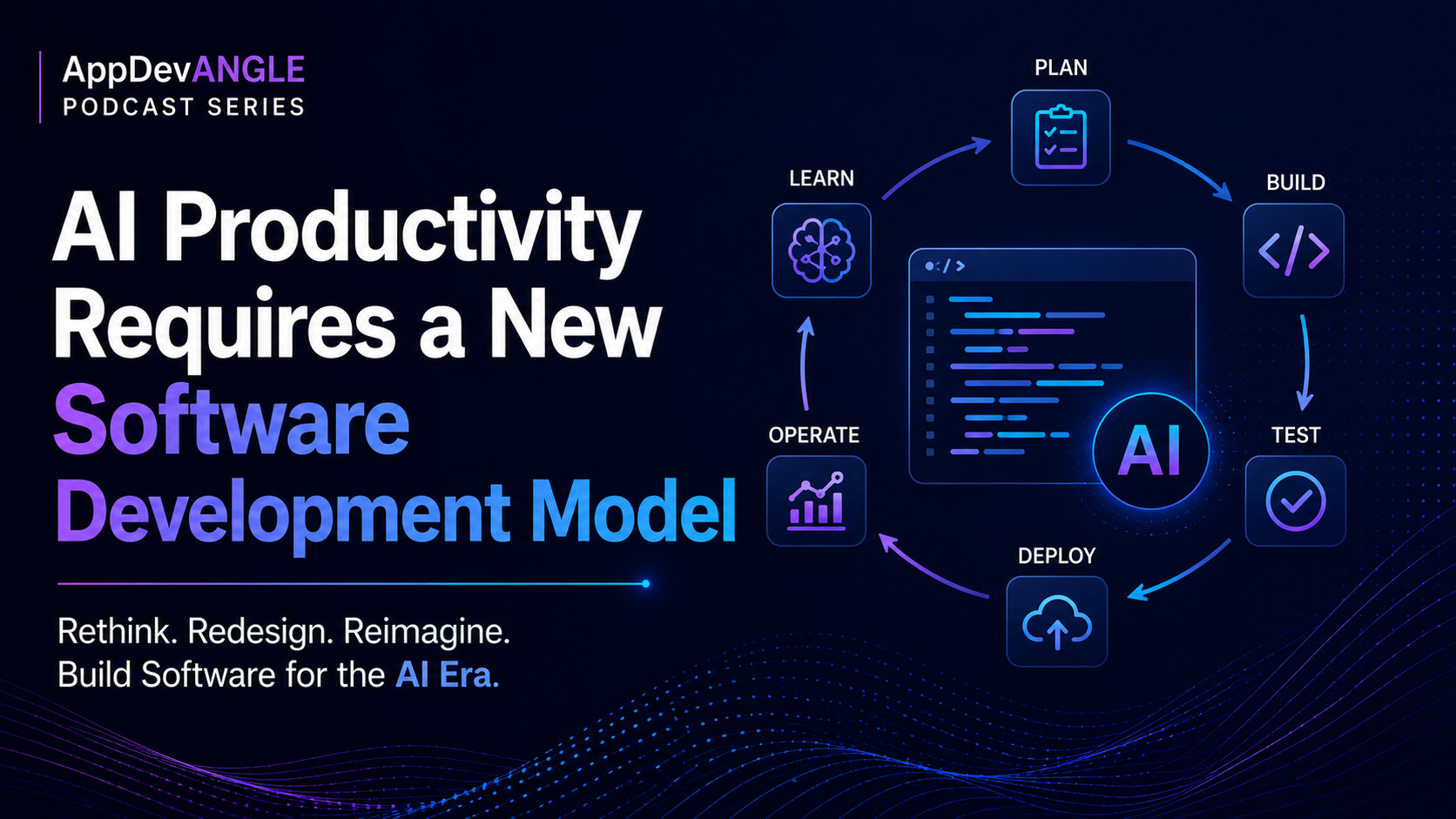
What changed
AI tools are now common in software development, with coding assistants and AI-powered IDEs widely deployed. Despite these tools, around 65% of engineering teams spend less than 20% of their time on actual coding. The original engineering models have not adapted to fully integrate AI workflows, creating friction and productivity bottlenecks.
Why builders should care
The mismatch between AI tools and existing engineering processes means teams do not get the expected productivity boost. AI-native development demands new engineering frameworks that treat AI as a core part of design, testing, and deployment—not just an add-on. Ignoring this shift wastes time, increases technical debt, and slows delivery.
The practical takeaway
Engineering organizations should rethink how they structure teams, workflows, and tooling to embed AI capabilities deeply. This includes adopting iterative feedback loops that leverage AI-generated code and testing outcomes, redesigning deployment pipelines for rapid model updates, and investing in AI-specific monitoring and debugging. Simply integrating AI assistants into legacy processes will not cut it.
What to watch next
Expect early adopters who embrace AI-native engineering models to pull ahead in developer productivity and product velocity. Vendors offering platforms that enable seamless AI integration across the software development lifecycle will gain ground. Keep an eye on how organizations handle AI-generated code quality and regulatory compliance as a new operating norm emerges.
AI Quick Briefs Editorial Desk