Google Earth’s New AI Lets Anyone Fabricate Completely Bullshit Satellite Images
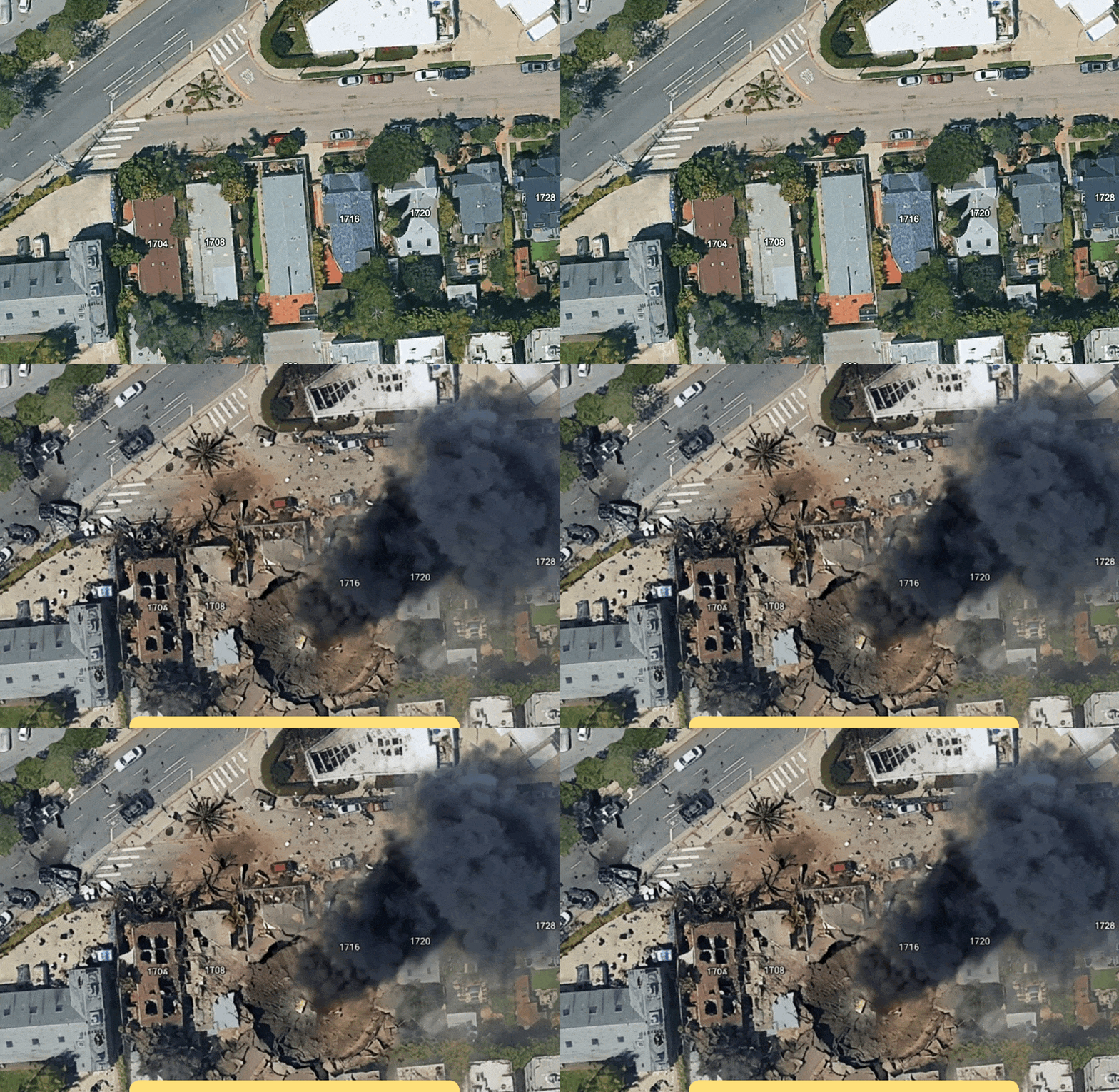
What happened
Google Earth released an AI feature that lets users generate satellite images by typing simple descriptions. The tool can create realistic-looking but entirely fabricated scenes like refugee camps near the Mexican border, nuclear plants in Iran, or fatal crashes in Amsterdam streets. The AI fabricates imagery based on text prompts rather than showing actual locations.
Why it matters
This development shakes foundational trust in open satellite imaging. Satellite views have been a go-to source for independent verification, journalism, and intelligence analysis. When anyone can craft convincing fake satellite images with minimal effort, it weakens the credibility of geospatial evidence and raises costs for fact-checking and verification. The tool blurs the line between genuine satellite data and AI-generated fabrications, making misinformation and disinformation harder to identify and fight.
For businesses relying on satellite data for decision-making, such as agriculture, logistics, or insurance, this could mean more false positives or false negatives that require expensive validation. Regulators and governments will need to adjust their intelligence pipelines and potentially demand more secure provenance and authenticity markers on satellite imagery.
What to watch next
Watch how Google manages misinformation risks and whether it implements safeguards or usage restrictions. Expect verification startups and technologies to see increased demand for confirming satellite image authenticity. Regulators may start weighing new rules for synthetic geospatial media, particularly regarding national security and election integrity.
Keep an eye on other major geospatial platforms adopting similar AI tools and how the technology evolves in sophistication. This shift pressures operators, analysts, and consumers of satellite imagery to adopt more rigorous digital forensics and develop new trust frameworks as AI lowers the bar for creating realistic yet false imagery.
AI Quick Briefs Editorial Desk