How to Build a Context Layer and a Company Brain

What changed
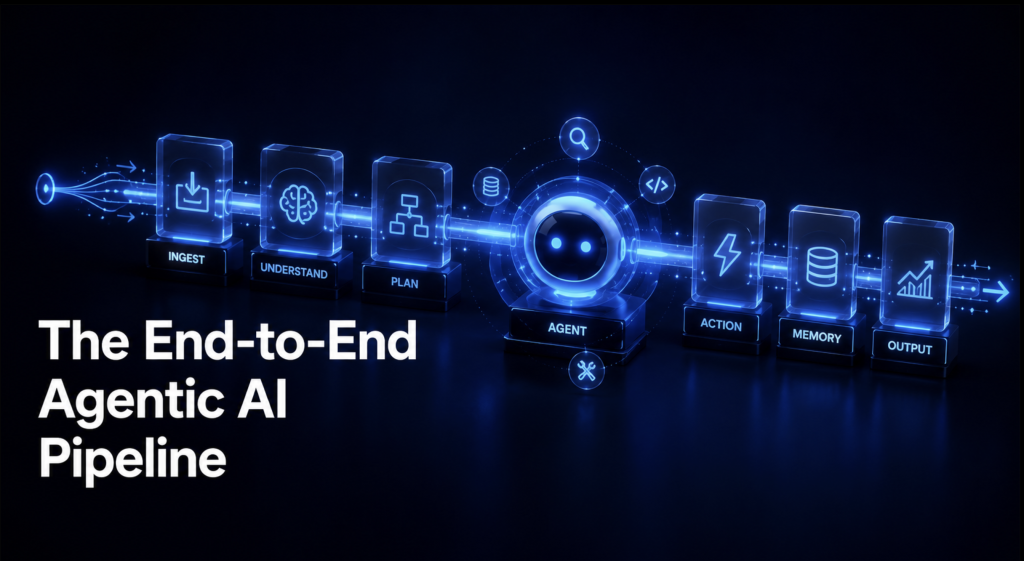
The task of turning a company’s scattered information into a reliable source for large language models (LLMs) is far more complex than most demos suggest. Building a “context layer” or “company brain” requires systematically collecting, organizing, and continuously updating data so it can be properly consumed by AI. The flashy demos often show the final stage, which might be just 5 percent of total work. The bulk involves cleaning data, managing document types, creating embeddings, designing retrieval systems, and aligning this infrastructure with the real-time needs of the company.
Why builders should care
Operators and builders who want to integrate LLMs into workflows need to understand that context isn’t given—it must be built with care. Raw data scattered across emails, PDFs, databases, and internal docs must be harmonized before feeding into an LLM. Without a solid context layer, AI outputs will be shallow, inconsistent, or inaccurate. Companies that invest in this layer first will avoid costly AI integration failures, improve query relevance, and ensure that AI agents can use company knowledge effectively at scale.
The practical takeaway
The key is managing the “plumbing” behind LLMs, not just the AI interface visible to users. Focus on building pipelines that parse and embed diverse documents, implement vector databases, and keep data up to date. This requires cross-team collaboration between data engineers, product managers, and domain experts. It also requires ongoing maintenance—context sources become outdated or incomplete quickly, weakening the model’s output accuracy over time. The roadmap is clear: patience and engineering rigor beat attempts to shortcut the context-building step.
What to watch next
Expect growing investment and tooling around context layers, including scalable vector search, knowledge graphs, and retriever-reader architectures. Vendor solutions that simplify this integration will gain traction but won’t replace the need for customized, domain-specific context pipelines. Watch companies that pioneer these systems closely, since their AI implementations will scale and perform better, creating a stronger moat against competitors who rely on out-of-the-box LLMs with minimal data prep.
AI Quick Briefs Editorial Desk