OpenAI is building ‘a family of devices,’ Greg Brockman confirms
What happened
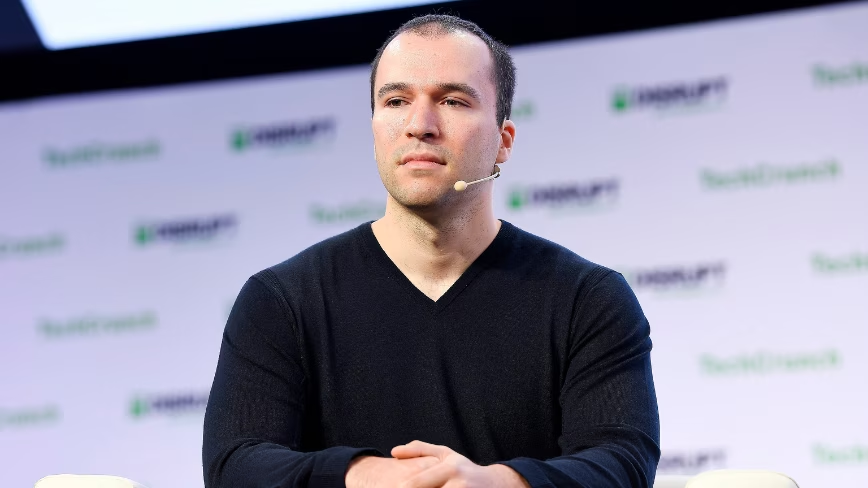
OpenAI president Greg Brockman confirmed the company is developing multiple hardware devices rather than a single product. He described this as a “family of devices” aimed to expand OpenAI’s footprint beyond software and APIs. Brockman also reinforced that voice input will replace typing as the primary mode of interaction with AI. He suggested these hardware offerings will arrive soon, signaling OpenAI’s serious move into smart devices.
Why it matters
OpenAI stepping into consumer and business hardware puts direct pressure on established tech companies like Apple and Google, who lead in voice-enabled smart devices. The shift from typing to voice changes user interfaces and data flows, which could realign customer expectations around AI access. For product builders and investors, this signals new markets for AI-driven devices with native integration that promise more natural interaction. At the same time, hardware brings different cost, supply, and security challenges compared to cloud-based AI services.
Brockman’s comments regarding Apple’s lawsuit also clarify OpenAI’s position on IP and trade secrets. By distancing from corporate espionage allegations, OpenAI intends to focus users and competitors on innovation rather than legal distractions. However, hardware efforts increase regulatory scrutiny, especially as voice data raises privacy concerns.
What to watch next
Expect announcements about specific device types, use cases, or partnerships soon as OpenAI moves from concept to launch. Builders should watch for developer APIs tied to hardware that enable third-party integrations or custom voice models. Investors and competitors will track how OpenAI prices these devices and whether they bundle the underlying AI access separately from software subscriptions.
Legal developments around the Apple lawsuit could influence OpenAI’s reputation and partnerships amid intensifying tech rivalry. Regulators may begin deeper examination of how voice-powered AI devices handle user data and consent. OpenAI’s hardware move shifts the playing field from pure software AI to full-stack ecosystems, raising the stakes for anyone operating in conversational AI or smart device markets.
AI Quick Briefs Editorial Desk