Prompt Engineering Is Solved—Prompt Management Isn’t

What changed
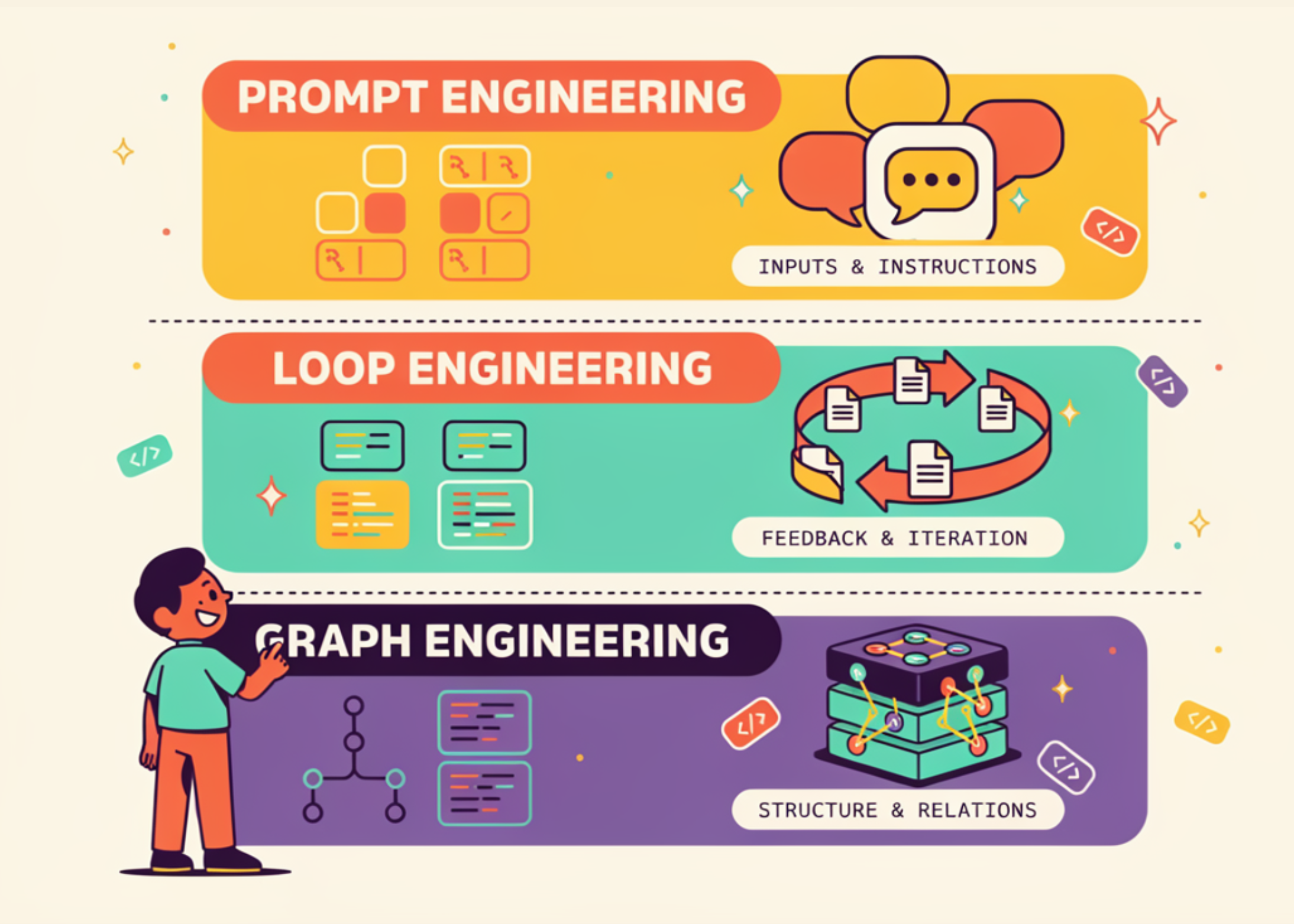
Prompt engineering has reached a practical plateau where writing effective prompts is largely a solved problem. The focus has shifted to prompt management: safely updating and maintaining prompts in production at scale. A common failure happens when a small change, like renaming a variable inside a prompt, breaks every live API call. This reveals that managing prompt changes safely is an overlooked operational risk. To address this, a lightweight static analysis tool has been introduced. It treats prompts like contracts and automatically detects breaking changes before deployment, much like type checking in software development.
Why builders should care
Prompt engineering alone does not protect operational stability. When prompts evolve in active systems, undetected changes can cause widespread failures, customer impact, and debugging chaos. Builders running prompt-powered apps must treat prompts as production artifacts with strict versioning and validation processes. The new tooling shifts part of prompt validation to the development pipeline, reducing runtime errors triggered by prompt mismatches. This is a necessary evolution as more AI use cases scale beyond prototypes into regulated or user-facing environments where uptime and accuracy matter.
The practical takeaway
Operational teams should implement prompt management workflows that include static analysis and contract-style verification between the prompt and client code. This reduces the risk of breaking changes caused by simple edits and variable renames inside prompts. Managing prompts like software artifacts forces discipline that prevents downtime and costly rollbacks. Adopting these tools lowers risk and increases confidence when updating prompts in production, ensuring AI-powered systems remain robust as they evolve.
What to watch next
Look for further integration of prompt management tools into popular AI frameworks and cloud platforms that provide prompt hosting or API services. The evolution will push prompt engineering to mature into a full-lifecycle discipline, including testing, version control, and compatibility management. Expect growing demand for solutions that protect operator investments by catching breaking prompt changes early. Advances here will shape how seriously enterprises and builders can rely on prompt-driven AI in mission-critical apps.
AI Quick Briefs Editorial Desk