Data Centers Are Easy to Build. Powering Them Is Complicated, Slow, and Expensive
What happened
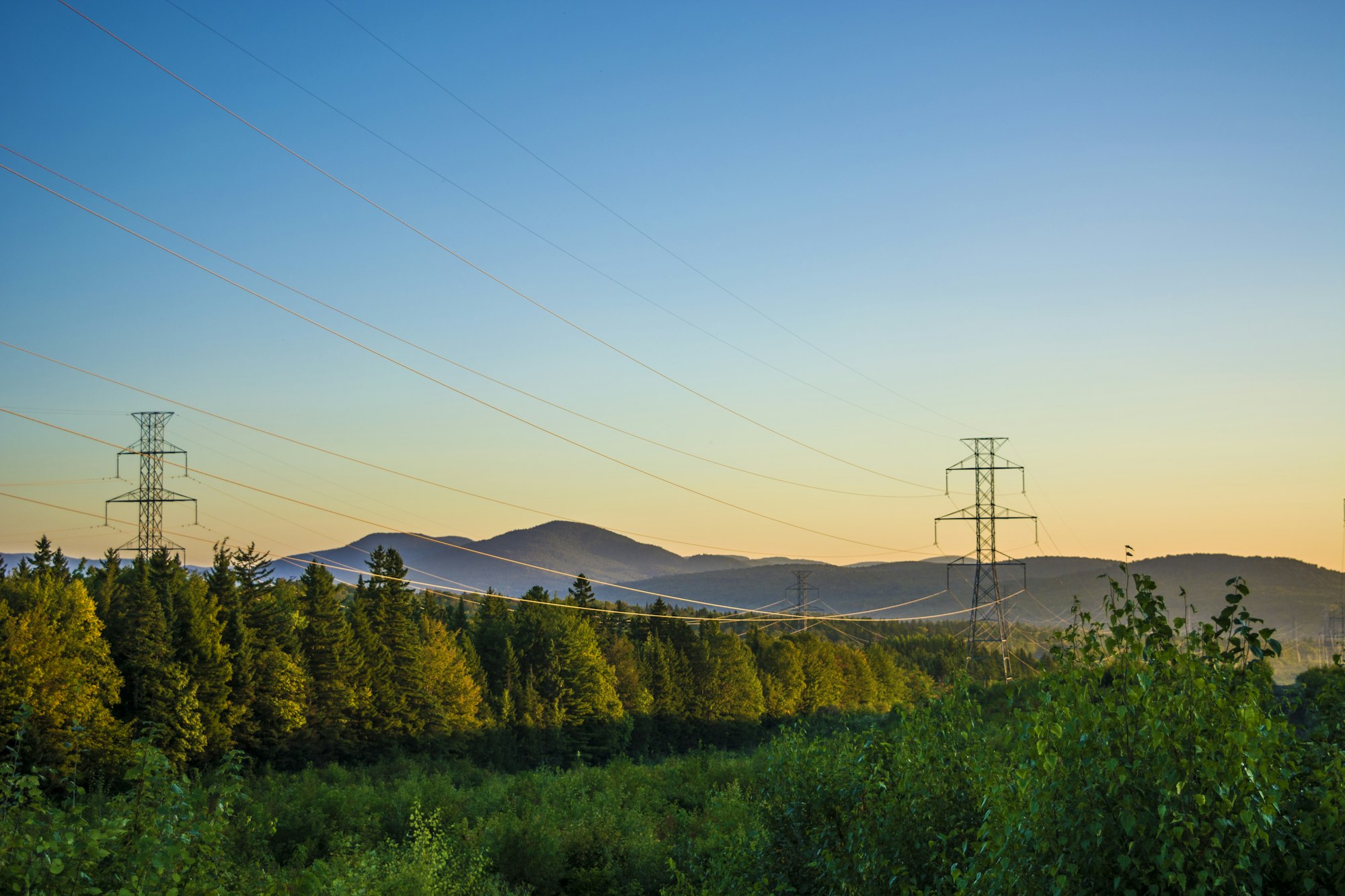
New AI data centers can be constructed and operational within about one year due to streamlined building techniques and modular designs. However, the power infrastructure needed to run these facilities is much slower to develop. Expanding energy grids, upgrading substations, and adding renewable power sources can take up to a decade, creating a major bottleneck between data center construction and clean, reliable energy supply.
Why it matters
This gap puts operators and investors under pressure. You can have a state-of-the-art AI data center ready to process massive workloads fast, but without sufficient power upgrades, it may rely on aging, polluting energy sources or face operational limitations. That means higher costs, risks of outages, or forced use of fossil fuels that contradict sustainability goals. For projects focused on carbon reductions or clean energy commitments, this mismatch introduces technical and financial risks that slow growth or inflate budgets.
What to watch next
Keep an eye on regulatory moves and federal infrastructure programs aimed at accelerating grid modernization and renewable integration. Energy planners and utilities under increasing scrutiny from the EPA Clean Air Act might tighten emissions rules soon, forcing faster action or higher compliance costs. Also, watch tech companies’ energy procurement strategies shifting to on-site renewables or energy storage to bypass slow grid expansions. The pace of power infrastructure upgrades will be a key variable shaping how quickly and sustainably AI data centers scale.
AI Quick Briefs Editorial Desk