An Introductory Guide to Practical Constraint Decoding
Quick take
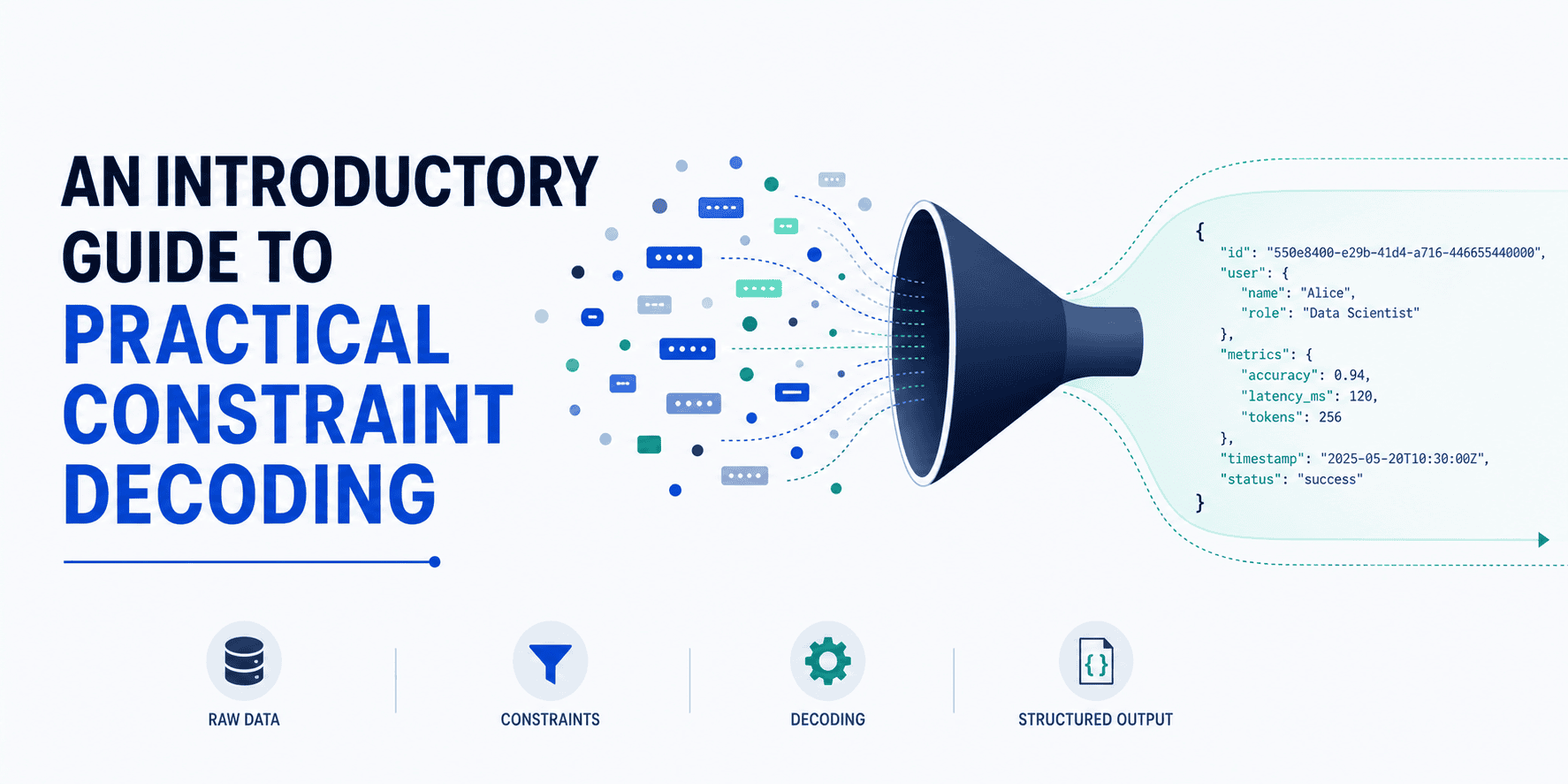
Practical constraint decoding is changing how AI models handle outputs that must meet strict rules, like valid JSON or specific data formats. Instead of blindly hoping the model generates perfect structured responses, constraint decoding applies real-time filters during the generation process to ensure answers always conform to the required syntax or logic. This method frees builders from repeatedly instructing models to “output valid JSON without markdown” and reduces error handling on the application side.
Why it matters
For operators and developers, constraint decoding tightens control over AI outputs without sacrificing flexibility. It forces compliance with hard-to-enforce formats organically during generation, which lowers the risk of failure in automated workflows, API responses, and data pipelines that rely on strict formatting. This means more reliable integrations, fewer post-processing fixes, and less manual cleanup for human users. It speeds up deploying AI-powered systems where precision matters, like data ingestion, code generation, or commands execution.
AI constraint decoding also shifts power from reactive error handling back into the model’s output phase, something that was elusive with standard prompting. For businesses, this reduces operational overhead and strengthens trust in AI-generated outputs, which can directly cut costs tied to debugging or customer service around format errors.
AI Quick Briefs Editorial Desk


